Get Full Government Meeting Transcripts, Videos, & Alerts Forever!
Get email alerts on the Police Oversight topic
No spam. Unsubscribe anytime.
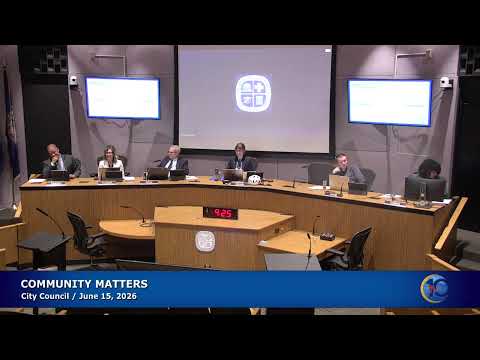
PCOB director outlines 2025 annual report and a shift toward 'monitor‑audit‑review' oversight
Summary
James Walker, acting director of Charlottesville’s Police Civilian Oversight office, presented the 2025 annual report, citing 32 internal affairs cases, expanded access to body‑worn camera footage for audits, a median case close time of 34 days, and recommended a shift from investigation to a monitor‑audit‑review model for oversight.
James Walker, acting director of the Office of Police Civilian Oversight, presented the board’s 2025 annual report and outlined plans to strengthen civilian oversight through monitoring, auditing and review.
Walker told council that 2025 was a year of turnover and transition for the PCOB and that ordinance changes are under review with the city attorney. He said the office has direct access to police records and body‑worn camera footage for auditing purposes and that the board monitored at least 16 internal‑affairs interviews across eight cases during the year. "The PCOB has more access to police records and police meetings, police actions than any other oversight entity in Virginia. That is a definitive statement," Walker said, adding that the office hopes to publish more live data on case outcomes.
Walker's presentation included data points: 32 internal affairs cases in 2025 with 65 allegations overall and a reported median time to close a case of about 34 days. He explained that ordinance recommendations aim to shift the board’s role toward post‑discipline review in order to provide meaningful public review while respecting public‑meeting and privacy rules. He also described community engagement efforts (town halls, outreach, partnerships with local universities) and said the office budget is approximately $300,000 — roughly 1% of the police department’s budget — currently resourced for two positions but staffed by one acting director.
Councilmembers asked about the mechanics of case review, public reporting of discipline trends, and the feasibility of board timelines; Walker said staff are building a case‑scoring manual and planning live reporting and dashboards so that summaries and trends can be available without disclosing confidential personnel information. He said the board will present additional work products to council in 2026, including policy and operational recommendations tied to the ordinance review.
The presentation gave council a concrete sense of PCOB priorities and limitations, and set expectations for future council briefings on case scoring, transparency measures and any recommended ordinance changes.