Get Full Government Meeting Transcripts, Videos, & Alerts Forever!
Get email alerts on the Elder Justice Action Plan topic
No spam. Unsubscribe anytime.
Elder Justice Coordinating Council adopts federal action plan, agencies pledge quick‑win outreach
Summary
The Elder Justice Coordinating Council voted by show of hands to adopt a federal Elder Justice Action Plan and several member agencies outlined near‑term 'quick wins' for prevention, enforcement and outreach to protect older adults from scams and exploitation.
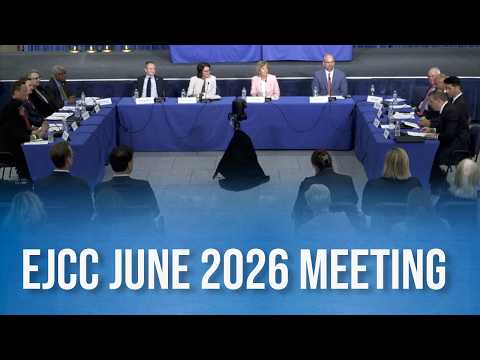
At the June meeting of the Elder Justice Coordinating Council, Mary Lazare (senior official performing the duties of the assistant secretary for Aging, Administration for Community Living, HHS) presented a streamlined action plan that condensed eight prior policy recommendations into three actionable items for EJCC member agencies to carry to internal clearance.
Lazare asked if there were questions and then conducted a show‑of‑hands vote. "All right. We have duly adopted this plan…" she said, announcing the plan’s adoption and directing members to carry the plan through agency clearance and implementation.
Council members described immediate, agency‑level "quick wins" they would pursue under the plan. Tysen Duva (DOJ) described recent transnational enforcement and training partnerships and cited a sentencing in a Jamaican lottery/lead‑seller case with $5 million restitution and a 10‑year prison term as an example of enforcement activity the DOJ brings to the issue. Luke Pettit (Treasury) said Treasury will promote educational toolkits on MyMoney.gov and prioritize digital financial literacy in the Financial Literacy and Education Commission’s work.
Other quick wins described included Legal Services Corporation mobile justice squads and webinars to reach rural and low‑income seniors (Ronald Flagg); SEC investor‑targeted materials and partnerships with NASAA, FINRA and CFTC (John Moses); Postal Inspection Service distribution through postal employees and international law enforcement partnerships (Eric Shen); SSA messaging and reporting channels (Nick Perrine); USDA Cooperative Extension outreach in rural counties (Rubella Goswami); VA VetResources tiles and fiduciary misuse monitoring (Garrison Pietrowiak); FCC robocall mitigation actions and cross‑agency complaint sharing (Eduard Bartholme); AmeriCorps Seniors volunteer outreach (Robin Corindo); HUD fair housing accessibility training and enforcement examples (Kevin Cooke Jr.); and DOL enforcement and outreach to protect retirement accounts (Daniel Aronowitz).
Stakeholders in the audience — including Jennifer Baker of the Moving Forward Nursing Home Quality Coalition, Jodi Holsclaw (Kentucky State Long Term Care Ombudsman), and Kendra Kuehn (policy advisor, National Adult Protective Services Association) — praised the action plan, urged robust implementation and increased funding for APS programs, and asked for close field engagement to avoid unintended consequences during rollout.
Mary Lazare closed by reiterating the campaign and action plan commitments and inviting agencies to continue coordination on AI‑related risks and technical defenses. The council’s adoption is procedural: agencies will take the plan through their respective clearance processes; the transcript records the adoption by show of hands but does not list a numerical vote tally.