Get Full Government Meeting Transcripts, Videos, & Alerts Forever!
Get email alerts on the Consumer Protection topic
No spam. Unsubscribe anytime.
Federal agencies launch 'Never EVER' campaign to warn older Americans about impersonation scams
Summary
A cross‑government and private‑sector public education effort, led by the FTC and supported by DOJ and 14 other agencies, will run June 15–26 to teach bright‑line rules about impersonation scams and drive consumers to EJCC toolkits.
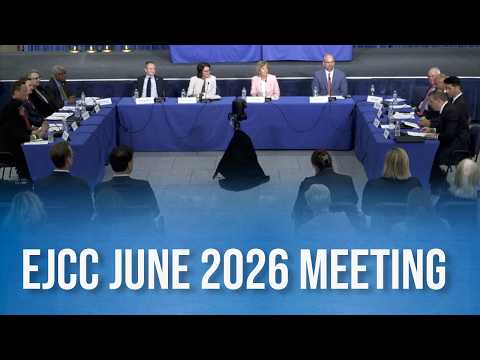
Mary Lazare, senior official performing the duties of the assistant secretary for Aging and Administrator of the Administration for Community Living at HHS, opened the Elder Justice Coordinating Council meeting by thanking the Federal Trade Commission and the Department of Justice for coordinating a new public education effort called the "Never EVER" campaign.
Lois Greisman, associate director for the Division of Marketing Practices and the FTC’s Elder Justice Coordinator, told the council that the FTC’s Consumer Sentinel database shows impersonation and imposter scams are the top complaint category. Greisman said the FTC received over one million imposter reports last year and that reported losses for imposter scams totaled about $3.5 billion in 2025. "The impact to older adults is real, and it's devastating," she said.
The campaign, which Greisman described as a coordinated outreach and education toolkit, provides "bright‑line" rules — clear statements of what government or businesses will never ever do — to interrupt scammers’ pressure tactics. Examples stressed by panelists include: government or law enforcement will not call and demand immediate payment or threaten arrest in exchange for payment; banks will not call out of the blue and ask for usernames and passwords or ask customers to move money to protect it; and carriers will not ask for passcodes or create false urgency. "If you hear a message like that, hang up," Rich Goldberg of DOJ said.
Private and non‑government partners pledged to amplify the materials. Sam Kunjukunju of the American Bankers Association said banks will share toolkits and host webinars for member banks and state bankers associations. Allison Remsen of U.S. Telecom described telecom efforts to deploy call authentication, blocking and traceback tools to stop spoofed traffic, and Eduard Bartholme of the FCC described rulemakings and the Robocall Mitigation Database as policy levers to reduce scam traffic before it reaches consumers.
Agencies committed to targeted distribution channels: Treasury will host resources on MyMoney.gov; the SEC plans investor‑targeted materials; the Postal Inspection Service will leverage postal networks and more than 600,000 employees; VA will add content to VetResources and VSafe; and AmeriCorps Seniors and legal services groups will use volunteers and mobile clinics to reach rural and homebound seniors.
The FTC said the formal Never EVER launch runs June 15–26 and will drive traffic to the EJCC website, which will host a toolkit, press materials and partner assets. Greisman said partners will use consistent messaging and a call to action so community groups can adopt the materials. "Government or business will never ever tell you to move your money to protect it, will never ever demand that you pay using gift cards, a payment app, wire transfer, or crypto," she said.
Panelists also discussed the role of AI in enabling more convincing scams — including voice cloning and scaled, automated messaging — and the need for new detection and prevention tools. DOJ and other agencies described efforts to seize fraudulent domains, trace illicit traffic, and develop technical defenses alongside outreach.
The campaign materials and the FTC’s toolkit were described as available on the EJCC website for partners to download and distribute. The council framed the Never EVER effort as prevention‑first: while law enforcement keeps pursuing transnational fraud rings and facilitators, the group said broad education is needed because prosecution alone cannot stop the scale of the problem.
The campaign launch date is June 15; participating agencies will carry out partner outreach and tool distribution through the EJCC toolkit and their own channels.