Get Full Government Meeting Transcripts, Videos, & Alerts Forever!
Get email alerts on the Public Health Animal Shelter topic
No spam. Unsubscribe anytime.
Residents press board over rabies test timing and shelter practices
Summary
In public comment residents raised public-health and animal-shelter concerns after a local clinic reported a confirmed rabies-positive dog and criticized shelter capacity, long stays and current euthanasia arrangements; callers asked why the public wasn’t notified sooner and urged clearer animal-control procedures.
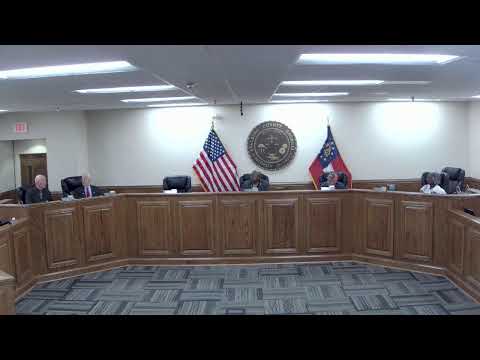
Several residents used the citizen-comment period at the June 1 Spalding County meeting to press the board on public-health and animal-shelter procedures after a local clinic reported a confirmed rabies-positive dog.
Cynthia Dunn, who gave her address and said she works in Spalding, described a dog brought to her clinic May 26 that displayed aggression, hydrophobia and neurologic symptoms. She said the clinic elected to euthanize the animal because of the suspected public-health risk and that the sample was sent for testing; she told the board the university returned a 'highly positive for rabies' result and that county records show the result was received May 29.
"Why wasn't the public notified before June 4th?" Dunn asked the board, saying she was told by an environmental-health employee that the county does not test unless there is a bite or scratch. She added that the public notices that were released did not accurately describe the clinic’s actions and that family-notification procedures concerned her.
During public comment Carrie Gibbler, who identified herself as having more than 45 years in rescue work, criticized what she called misinformation and operational gaps at the county shelter. Gibbler said several dogs have remained in the shelter more than 120 days and questioned outsourcing euthanasia to a single local veterinarian, asking why prior sterilization partnerships (she cited a program tied to Auburn) were no longer in place.
Board members did not offer a detailed timeline or technical rebuttal in the public-comment block. County staff later discussed animal-control and shelter operations in subsequent administrative work, but the transcript does not include a full accounting of family-notification timing or a change to testing policy during the June 1 meeting.
The comments raise two discrete follow-ups for county staff: (1) provide a clear public timeline and explanation for how and when the county receives and posts positive rabies results and family-notification procedures; and (2) respond with operational detail on shelter capacity, euthanasia procedures and partnerships for spay/neuter services cited by residents. The meeting transcript records the concerns and the need for staff to reconcile the timelines and public communications with the veterinary clinic’s account.