Get Full Government Meeting Transcripts, Videos, & Alerts Forever!
Get email alerts on the Environment topic
No spam. Unsubscribe anytime.
Developer to remediate slower‑draining infiltration basins; board presses for geotech documentation and completion schedule
Summary
Tall Brothers (Enclave) reported infiltration testing mostly met design values but basins 2 and 3 are draining slower than expected. Town staff requested additional geotechnical evidence, excavation depth confirmation and remediation steps; developer offered to continue work and proposed a surety while remediation continues.
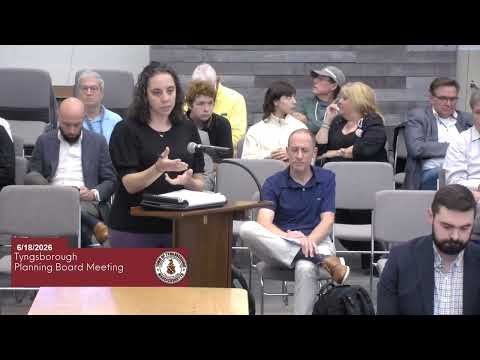
Developers for the Enclave subdivision reported results of confirmatory infiltration testing and ongoing clean‑up of on‑site stormwater basins. The developer and their consultants said most basins are performing as designed but basins 2 and 3 are draining more slowly than expected.
"The testing that was done showed the infiltration rates met or exceeded the values we used in the design," said Austin Turner, presenting for the team. He added that basins 2 and 3 are showing slower drainage and that the geotechnical team is investigating whether an organic or silt layer remains between the basin surface and the more permeable material below.
Town engineering staff noted the depth at which infiltration tests were conducted and requested documentation on whether basins were excavated to the tested depths and whether any remaining silt is limiting infiltration. Staff also asked for clearer photo documentation and the geotechnical report that explains choice of test depth and soil homogeneity between the test depth and basin bottom.
The developer said they are prepared to remediate by selectively removing surface material and installing drainage fabric and stone to improve flow to the native material. They also reported progress on a list of as‑built comments, including planting additional trees (seven were planted the day of the meeting and others remain outstanding).
Several prospective residents asked whether certificates of occupancy or occupancy timelines could be shortened while remedial work continues. The developer proposed posting a surety bond—based on contract costs and a contingency—to guarantee completion (the applicant provided a preliminary figure of $387,871). Board members were cautious and asked for more detailed remediation plans and geotechnical clarification before relying on a surety as the primary remedy.
The board instructed the developer to work with the geotechnical consultant and town staff to produce a remediation schedule, excavation confirmation and final test results; the item was continued to the board’s next scheduled meeting to allow time for additional documentation and corrective work.
What happens next: the developer and geotechnical consultant will provide documentation of test depths and soil profiles, a remediation plan for basins 2 and 3, a schedule for remaining planting and work to restore basins, and an updated estimate if the applicant proposes a surety for outstanding items.