Get Full Government Meeting Transcripts, Videos, & Alerts Forever!
Get email alerts on the Regulations Utility Rates topic
No spam. Unsubscribe anytime.
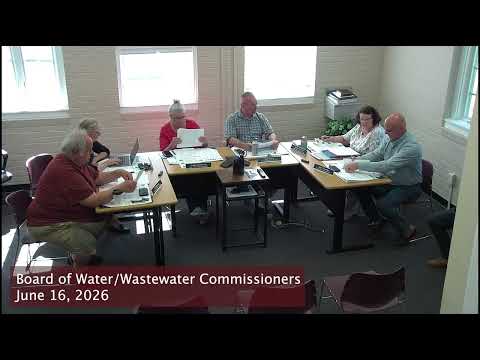
Board continues work on proposed disaster-rate abatement rules, debates documentation and 50% cap
Summary
Commissioners reviewed draft disaster-rate abatement language and model scenarios, debated allowing 'up to 50%' discretion, definitions of "negligence," and what supporting documentation to require; staff will revise the draft before public hearings.
The Board of Water Commissioners continued development of proposed regulations governing disaster-rate abatements, reviewing model billing scenarios and the draft language that would govern eligibility and documentation.
Staff presented scenario modeling for a hypothetical 150,000-gallon quarter compared with historic averages (10,000 and 50,000 gallons) and explained how different calculation methods and tiered billing affect revenue. Commissioners asked for clarity on whether the regulation should specify a fixed 50% abatement or allow discretion ‘up to 50%’ and highlighted the potential revenue impacts when historical averages move customers into higher billing tiers.
A substantial portion of the discussion focused on documentation and exclusions. Commissioners agreed the draft should more clearly define "negligence related losses," and they debated what evidence homeowners should be required to provide (options discussed included photos, dye tests, plumber receipts, or an insurance company's statement explicitly addressing utility costs). Several commissioners urged that the rules remain simple and not impose burdensome paperwork on homeowners for minor repairs.
Board members also raised the operational question of whether sewer abatements should be considered separately from water abatements (for example, where irrigation leaks do not enter the sewer system) and whether the regulations should prohibit abating irrigation or outdoor features while allowing sewer adjustments in limited circumstances.
Next steps: staff will redraft the proposed regulations with clarified definitions and simplified documentation language and return the draft for further review before any public hearing.