Get Full Government Meeting Transcripts, Videos, & Alerts Forever!
Get email alerts on the Budget Adoption topic
No spam. Unsubscribe anytime.
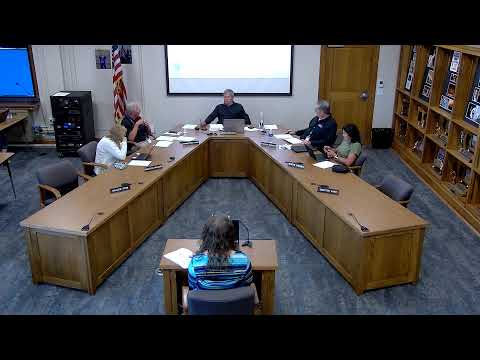
Brainerd board adopts original 2026–27 budget despite multimillion-dollar projected shortfall
Summary
The Brainerd Public School District board adopted the district's original 2026–27 budget after staff warned of an estimated $3.4 million unassigned deficit and noted assumptions of a 2.7% general-aid increase and falling enrollment.
The Brainerd Public School District board unanimously adopted the original 2026–27 budget after a staff presentation that projected an unassigned fund deficit of about $3.4 million under current assumptions.
Finance presenter Marcy Lord told the board that the 2026–27 original budget uses the 2025–26 first revision as its baseline and carries assumptions including a 2.7% increase in the general-aid formula, anticipated staff-salary and benefit increases, and enrollment projected at roughly 5,420 pupil units. She said compensatory revenue was expected to fall by about $900,000 (approximately a 15.3% decrease) even after legislative adjustments.
Why it matters: the adopted budget sets the staffing and revenue assumptions that will govern classroom, staffing and services planning for the next school year and frames whether the district must pursue additional revenue options, such as a potential operating referendum in 2027–28.
Lord described expense-side pressures: increased salary and benefits, contractual costs for hard-to-fill positions (speech-language pathologists and interpreters), and the recent decision to move some technology staff expenditures to the capital fund to alleviate near-term pressure on the general fund. She also noted a reduction in staff-development set-asides from 2% to 1% because of a memorandum of understanding, which frees the other 1% into the general fund.
Board members discussed demographic trends behind the enrollment decline. Lord and members cited county birth-rate data showing Crow Wing County births fell from 695 in 2014 to 599 in 2024 and noted that past open-enrollment inflows had masked some local declines. The presenter and members also pointed to grade-by-grade swings in the projection model that produced uneven counts across years.
After discussion, a motion to adopt the original 2026–27 budget passed on a roll-call vote. Voting yes were Stephanie Edelman, Randy Heideman, Michelle Brekken and D.J. Donnelly. The board recorded no opposition.
The board and staff said they will continue to monitor state aid notices, enrollment counts and contract negotiations; staff will present updates during future budget revisions and if revenue options such as an operating referendum are pursued.