Get Full Government Meeting Transcripts, Videos, & Alerts Forever!
Get email alerts on the Budget Revision topic
No spam. Unsubscribe anytime.
Brainerd board approves first revision to 2025–26 budget, reducing projected unassigned deficit
Summary
The Brainerd Public School District board approved the first revision to the 2025–26 budget at a special meeting, citing a boost in special-education revenue and updated audit actuals that shrink the unassigned deficit from earlier estimates.
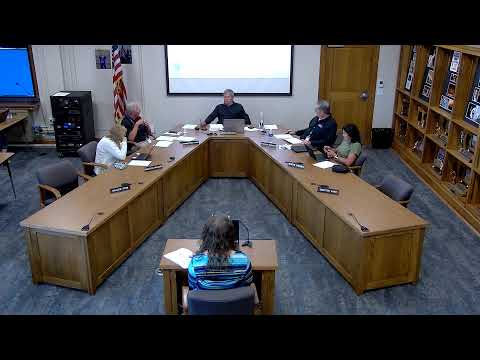
The Brainerd Public School District board voted unanimously to approve the first revision of the 2025–26 budget at a special meeting, following a presentation from district finance staff that incorporated audited 2024–25 figures and updated state and federal awards.
Presenter Marcy Lord told the board that the revision is “the starting point for the preliminary budget for 25–26,” and said comparing the draft numbers to audited actuals revealed the primary difference: the earlier estimate showed a $2.8 million deficit in the unassigned fund while the audit-based actuals reduced that gap to roughly $800,000. She also noted community-service projections that were expected to show a $188,000 deficit in the original estimates actually finished the year about $80,000 in the black.
Why it matters: the revision updates enrollment and revenue assumptions and recognizes new federal and state awards, including a more than $1 million increase in special-education revenue that materially reduces the district’s projected unassigned deficit and improves near-term cash-flow projections.
In her presentation Lord outlined the primary assumptions carried into the revision: a 2.7% increase on the general-aid formula, adjustments for a lower student count, higher salary and benefits costs and the return of positions previously funded by federal CARES accounts into the general fund. She also said the October 1 count produced a revised enrollment of 5,602 students, down from the 5,630 used in the original preliminary numbers.
Lord described accounting and classification changes that affect reserves: paid medical leave (PML) introduced new object codes for state reporting (she said that adding PML required hundreds of new account codes), and two line items — Q Comp and American Indian Education — were moved to restricted fund-balance classifications. She added there is roughly $500,000 in general-education receivables that could be recognized in 2025–26 but would reduce the 2026–27 starting balance if recognized now.
Board members questioned staffing and the practical cost of paid family medical leave. Lord said the district remits about $40,000 per month to the insurance carrier for the benefit, with roughly half paid by the district and half by employees. She did not have a head count of employees who used leave on hand and said staff would provide that figure on request.
On a policy benchmark, Lord noted the district’s 10% unassigned fund-balance policy; after the revision the projected ratio would be around 12.8 in one accounting approach (later discussed as roughly 9.3% under another projection method), while the general-fund deficit including restricted funds was about $426,000 in the revision.
After questions, a motion to approve the first revision was made and approved by roll-call vote. Those voting yes included Michelle Brekken, D.J. Donnelly, Stephanie Edelman and Randy Heideman. The board recorded no dissent.
The district will carry the revision forward as the starting point for the 2026–27 budget cycle and will update figures again in subsequent budget revisions as actual state aids, enrollment counts and contract settlements become final.