Get Full Government Meeting Transcripts, Videos, & Alerts Forever!
Get email alerts on the Budget topic
No spam. Unsubscribe anytime.
Sewer commission backs $3.47 million retained‑earnings plan to fund plant upgrades and stabilization
Summary
The commission approved a retained‑earnings spending plan that would allocate approximately $3,471,921 of $4,971,921 certified retained earnings to a mix of stabilization funding and plant upgrades; the measure will proceed to the Mayor and City Council for final approval.
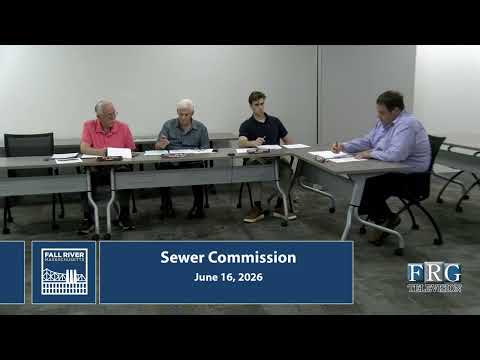
The Fore River Sewer Commission voted June 16 to approve a retained‑earnings spending plan that would use approximately $3,471,921 of the $4,971,921 certified retained earnings from FY25 to fund plant and collection‑system projects and to bolster the plant’s stabilization fund.
Staff outlined the spending plan and recommended a $1.5 million transfer to the stabilization account to meet a recommended carry target, leaving a balance to fund capital and operational improvements. Major items identified in the packet included:
• $1,500,000 — transfer to stabilization fund to meet reserve guidance; • $500,000 — biological treatment upgrades (gearboxes, mixers and motors for treatment trains); • $200,000 — continuous effluent sampling and metering upgrades at pump stations to enable automated chemical dosing; • $75,000 — dry‑weather influent pumps (spare or rebuild); • Fleet and other plant needs, including replacement of a 2006 back‑hoe truck and other capital items.
Staff emphasized that the retained earnings are certified funds and that the commission’s approval is the local step before forwarding the package to the Mayor’s office and City Council for final approval; staff expected the item to be placed on the council agenda the following week. The spending plan was presented as a means to avoid issuing new long‑term financing for these projects where feasible.
Commissioners asked about procurement routes and whether Infamark would perform work through work authorizations or whether the commission would bid out projects; staff said procurement decisions will follow Massachusetts procurement law and could include competitive bids or work authorizations under Infamark’s contract where appropriate.
The commission approved the retained‑earnings spending plan and will send the measure to the Mayor and City Council for final authorization.