Get Full Government Meeting Transcripts, Videos, & Alerts Forever!
Get email alerts on the Healthcare Access topic
No spam. Unsubscribe anytime.
Committee advances pharmacy practice update, strips proposal to lower pediatric immunization age
Summary
Sen. Doc Stutter’s pharmacy amendments to expand pharmacist prescribing and update the practice act passed committee after members removed language that would have lowered the minimum immunization age to three; supporters said the bill improves rural access and preserves voluntary pharmacist participation.
Senator Doc Stutter told the committee Senate File 121 is an agreed-upon update to the Wyoming Pharmacy Act intended to modernize pharmacy practice, expand services in rural communities and let the Board of Pharmacy write clear rules. He described the changes as allowing pharmacists to prescribe certain medications and devices (for example glucose monitors and antibiotics after testing), to streamline collaborative agreements, and to formalize immunization practice already occurring in pharmacies.
The bill prompted questions about immunizations for young children. Matt Martin, executive director of the Wyoming State Board of Pharmacy, said pharmacists are trained to manage adverse reactions, must have epinephrine available, complete CPR training, and report adverse events to federal systems. He told the committee that during COVID federal PREP-authority expanded pharmacy immunization roles and that pharmacists can already administer some vaccines to children as young as three under federal action; the bill sought to codify certain authorities but preserved voluntary participation: "Nobody's forced to do anything in this scenario. It just opens up a broader range of health care," the sponsor said.
Pharmacy witnesses emphasized rural access. Melinda Carroll of the Wyoming Pharmacy Association said the practice act had not been updated since 1957 and that pharmacists’ training has evolved; she said pharmacists already counsel patients and administer medications and that enabling them to act would improve access and response times. Camila Hancock, a Basin pharmacist, gave a specific example: she said a patient with a urinary tract infection she treated on a Friday later was admitted with sepsis over the weekend because clinic access was closed; Hancock said expanded pharmacy authority could reduce such lapses.
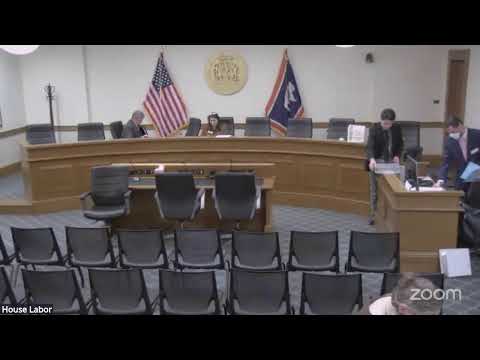
Several committee members expressed particular concern about lowering the minimum age for pharmacist-administered vaccines to three years old. Representative Yen moved an amendment to remove the lowered-age language and preserve the existing statutory immunization thresholds; the amendment passed and the committee then voted to advance SF121 as amended. The committee asked the sponsor to secure a House co-sponsor to carry the bill to the floor.
The measure passed committee as amended. Next steps: the sponsor will identify a House co-sponsor and the bill will proceed to floor consideration under the House rules.