Get Full Government Meeting Transcripts, Videos, & Alerts Forever!
Get email alerts on the Rezoning 52 Lake Forest topic
No spam. Unsubscribe anytime.
Residents oppose rezoning to allow four duplexes at 52 Lake Forest; commission delays decision
Summary
Neighbors urged the Mayflower Planning Commission to reject a rezoning request to allow four duplexes (eight units) at 52 Lake Forest, citing traffic, drainage and neighborhood‑character concerns; the commission declined to decide that night and directed residents to pursue petitions and raise issues at the upcoming City Council meeting.
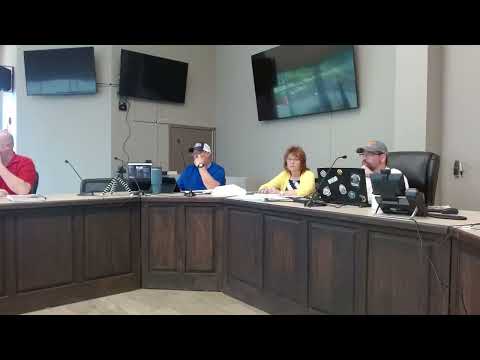
Mayflower Planning Commission members heard more than an hour of public comment on a request to rezone two parcels at 52 Lake Forest from MH to R2 so a developer could subdivide them into four lots for four duplexes (eight units). The commission did not vote and said it would take the public record and any petition to City Council for final action.
Neighbors described the area as a long‑standing single‑family neighborhood and urged commissioners to preserve its character and safety. “We don't need anymore in there,” one resident said, urging the body to preserve the neighborhood’s decades‑long peaceful character. Several residents pressed for specific evidence they said was missing from the application: traffic and street‑parking impact studies, drainage remediation plans for yards that already flood, and clearer notice to homeowners about the proposal.
The applicant, identified in the record as Patrick and frequently referred to in the hearing as Mr. Webb, said the notice requirements were met and described his plan for parking and phasing construction. Webb told the commission he plans to push the duplexes back on the lots, provide paved driveways with two spaces per unit and phase construction so not all four duplexes would be built in the same year: “If we get approved this year, we're going to build one this year. It might be next year, we build a second,” he said, adding that permits will be pulled by a licensed contractor and that he would work with the fire and street departments to meet standards.
Residents countered that even if code requirements are met, the reality of narrow local roads, absent sidewalks and existing flooding could create safety and access problems. One longtime resident said the neighborhood includes many retired and disabled households and that increased traffic would raise safety risks, especially for children and older neighbors. Several speakers urged residents to circulate a petition of opposition; commissioners explained the petition should include signers’ names and addresses and that the number or percentage required to carry special weight depends on the statutory threshold and would be verified by staff.
Commissioners emphasized that the planning commission’s role is to take public input and evaluate the application, and that a strong showing of neighborhood opposition would be only one factor among many in a rezoning decision. Given the volume of commentary and unresolved concerns about drainage and circulation, the commission declined to take final action that night and reminded the public that the planning commission’s recommendation will be forwarded to the City Council for a final ordinance vote.
Next steps: the commission encouraged residents to attend the City Council meeting (announced at the hearing) and to submit petitions and written evidence before the council considers the rezoning. The commission also noted staff will perform follow‑up checks on required notices, permitting questions and any outstanding technical documentation the applicant must provide.