Get Full Government Meeting Transcripts, Videos, & Alerts Forever!
Get email alerts on the Regional Funding Formula topic
No spam. Unsubscribe anytime.
Plantation representatives press for annual data update to emergency‑services funding formula
Summary
Plantation officials urged the Rangely area board to adopt an annual data pull (proposed April 1) for the regional emergency‑services cost‑sharing formula, saying reliance on 2020 figures distorts allocations and shifts costs to counties and unorganized territories.
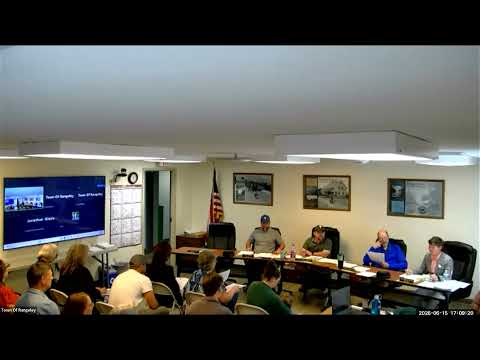
At a special agenda item on the regional funding portal, Sandy River Plantation representative Lisa Ginsburg urged town and county officials to update the population and housing inputs used in the region’s emergency‑services cost‑sharing formula. Ginsburg said the formula’s three primary criteria—housing units, population and state valuation—remain appropriate, but that using data tied to the 2020 census understates recent growth in unorganized territories and skews allocations.
“We recommend collectively setting a date—say April 1—on which towns, plantations and unorganized territories pull state valuation, population and housing counts and sign off so everyone is working from the same numbers,” Ginsburg said. She presented scenarios showing Rangely’s share would fall modestly while some counties’ costs could rise substantially once UT population estimates are included.
Board members and plantation representatives discussed alternative population metrics, including voter registration, state valuation and Census Bureau estimates. Participants noted weaknesses in each approach—voter rolls undercount residents (and include ineligible or seasonal names), while valuation lags and the decennial census becomes outdated. Staff explained the working estimate for unorganized territories was derived by applying the 2020 people‑per‑housing‑unit ratio to current housing counts and described that result as an imperfect but transparent proxy.
Attendees also raised a separate accounting question: how prior‑year credits (funds collected and later credited to communities) were allocated. Presenters asked the board to review past allocations and, if warranted, conduct a look‑back to ensure credits were applied consistent with the share communities paid in those years.
The board directed staff to schedule a focused regional meeting—proposed for September—to finalize data‑pull rules, confirm a single effective date for annual updates and review credit allocation. Staff will circulate a Doodle poll to find a date and share the spreadsheets and assumptions that underpinned the scenarios presented.
No formal change to the funding formula was adopted at the meeting; the participants agreed to pursue a process for regular data updates and to reconvene in a dedicated session this fall.