Get Full Government Meeting Transcripts, Videos, & Alerts Forever!
Get email alerts on the Education Family Engagement topic
No spam. Unsubscribe anytime.
ReadOn Arizona and Head Start outline family‑engagement models, transitions and local demonstration sites
Summary
ReadOn Arizona and Head Start leaders told the subcommittee family engagement and intentional transitions (birth through grade 3) are essential to early literacy; speakers described local home‑liaison programs, model demonstration sites, and practical family supports such as Make Way for Books and 'Let’s Talk Dads.'
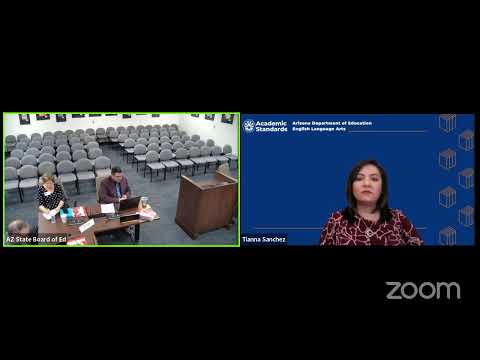
Lori Mour, director of early learning for ReadOn Arizona, and Eve, who introduced herself as president of the Arizona Head Start Association and a Head Start director at Southwest Human Development, told the subcommittee family engagement must be treated as a core instructional partner from birth through third grade.
Mour framed family engagement around the dual‑capacity building framework—building trusting partnerships, addressing family needs (including nonacademic needs) and sharing power and responsibility with families. She cited Roosevelt School in Yuma as a case study where a family‑liaison model helped tackle chronic absence and aided English learners’ outcomes.
Eve described Head Start practices that transfer to K–3 settings: policy councils that give families advisory and governance roles, home visits capturing household language and needs, individualized learning plans and multilingual screening and supports. ‘‘Families serve as local leaders and advocates,’’ she said, noting Head Start programs also embed family training and governance opportunities.
Speakers described four elements of local model demonstration sites: direct services to families (including adult education), connections to evidence‑based literacy resources (examples: Make Way for Books), professional development for site staff, and family support services such as child care and transportation to reduce participation barriers.
Mour also outlined the federal 'Kindergarten as a Sturdy Bridge' initiative and recommended enabling conditions: cross‑sector linkages between preK/Head Start and districts, shared professional learning, organized transition processes and data sharing across feeder patterns.
District representatives later praised home‑liaison programs and community partnerships (First Things First, Lions Club, Boys & Girls Club) and said local demonstration models and parent education activities increased attendance and engagement. Members asked about data sharing; presenters said data‑sharing agreements and memoranda of understanding are important but that statewide child‑level data linkages remain an area for improvement.
The subcommittee did not vote; staff will fold these presentations and local examples into recommendations about family engagement and early‑grade transitions.