Get Full Government Meeting Transcripts, Videos, & Alerts Forever!
Get email alerts on the Waste Management topic
No spam. Unsubscribe anytime.
Limington officials press composting, recycling as landfills near capacity
Summary
Limington officials told the select board they are pursuing a DEP grant and a transfer-station composting program after a solid‑waste conference warned Maine’s two regional landfills could be full in about three to five years; the town also launched a monthly recycling raffle and awarded a composter prize.
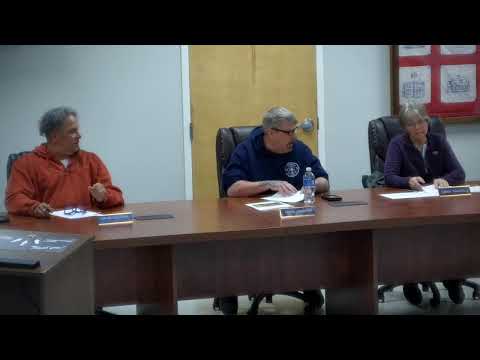
The Limington select board heard a push for expanded recycling and a local composting program after the DPW director and transfer‑station supervisor reported takeaways from a recent solid‑waste conference.
The DPW director told the board Maine’s two regional landfills are filling faster than anticipated and “could be looking at being filled within the next 3 to 5 years,” and noted that permitting a new landfill can take about a decade. He said that education, better sorting to prevent contaminated recycling loads and a backyard‑composting program — potentially supported with DEP grant money — would reduce pressure on disposal sites.
Why it matters: with limited regional disposal capacity and long permitting timelines, local diversion strategies could reduce future hauling costs and delay the need for new disposal capacity. Town leaders said they will pursue grant funding and pilot programs at the transfer station to encourage household composting.
Board members described steps already under way. The town has started a monthly recycling raffle at the transfer station; prize packages this month included a composter won at the conference and a yearly Mousam Lake beach pass valued at roughly $50. The transfer station reported 209 users over three recent days, with 163 recyclers (about a 78% recycling rate) and $761 in revenue for those days.
Select board member Jason summarized the rationale for composting: “Composting is key. Like 30% of the material going into these landfills is food waste,” he said, arguing household diversion could meaningfully reduce the municipal waste stream.
Officials also raised concerns about contaminated recycling loads and said the transfer‑station attendants and DPW staff will continue outreach and signage. The town manager said staff will explore DEP grant eligibility to fund composting bins, outreach materials and a possible pilot program at the transfer station.
Next steps: the board plans an EcoMaine facility visit on May 18 that will include DPW and transfer‑station staff, and staff said they will bring proposals for grant applications and pilot logistics back to the board for consideration.