Get Full Government Meeting Transcripts, Videos, & Alerts Forever!
Get email alerts on the Early College topic
No spam. Unsubscribe anytime.
Revere students earn college credits, save tuition costs through Early College program
Summary
District leaders reported that the Early College program produced students with 40–45 college credits, helped seniors enroll full-time at Northshore Community College and generated estimated savings per student; two graduates described using credits to begin nursing programs at Salem State.
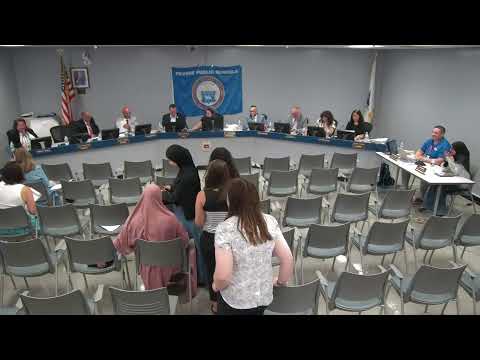
Revere School Committee members heard progress reports on the district's Early College program on June 16, where counselors and students described credit accumulation, cohort experiences and pathways into nursing.
"I finished Early College with 40 credits," said student Florencia, who said the program helped her choose nursing and saved money for her family. Another graduate, Mariam Abutawi, said she completed about 45 credits and was able to reduce her first-semester college load after starting nursing coursework in high school.
Guidance director Lillian Parker and early-college coordinator Megan Hatsunaka described partnerships with Northshore Community College that allow students to take transferable coursework during their sophomore through senior years. The district covered college tuition and materials for participating students; Hatsunaka estimated program savings at roughly $6,000 per participating student and said the spring cohort saved an estimated $390,000 collectively compared with typical college costs.
Program staff said 56 seniors this year earned 12 or more college credits (roughly a semester) and 16 seniors participated as full-time Northshore students. The district highlighted that students who earn 12 or more credits are statistically more likely to persist in college after their freshman year.
Students described campus experiences and the practical benefits of early exposure to college-level expectations: managing schedules, buying textbooks and navigating classes. Parker said the program is open to a range of students—those exploring college, those seeking to save tuition and those pursuing competitive pathways—and staff provide advising and a local cohort model to support transitions.
Next steps and context: Staff are working to increase FAFSA completion and postsecondary advising connections. Committee members praised the program and asked staff to continue expanding access and tracking long-term outcomes.