Get Full Government Meeting Transcripts, Videos, & Alerts Forever!
Get email alerts on the Department Updates And Actions topic
No spam. Unsubscribe anytime.
McHenry County Board of Health reviews department updates, approves contracts and records rabies exposures
Summary
The board received updates on household hazardous waste turnout, animal vaccination clinics and an early cluster of rabid bats that led to four human exposures; members approved several agreements and grant-related memoranda and authorized reimbursable diabetes-class partnerships.
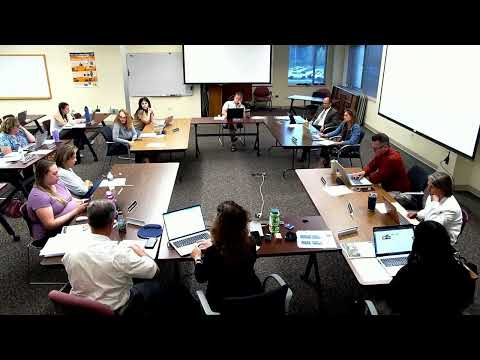
At its June 15 meeting the McHenry County Board of Health heard a series of department updates and approved multiple interagency agreements and administrative actions.
Staff reported that a recent household hazardous waste event in Huntley registered about 1,170 participants and processed roughly 1,025 vehicles, including two semitrailers filled with latex paint. Environmental health staff announced a cross-training plan to rotate environmental health practitioners across program areas over the next three to four months to reduce over-specialization and improve service delivery.
Communicable disease staff said the county has documented four human exposures to rabid bats in three separate households and one animal exposure. The department emphasized vaccinating pets and public education about what to do after bat contact; staff noted this cluster is early for the season and larger than typical for this time of year.
In program highlights, Jennifer Schnapp, chronic diseases program coordinator, described the department’s diabetes prevention and self-management programs, point-of-care wellness screenings (A1C, glucose, cholesterol and blood pressure), and tobacco-free communities activities. She noted the department’s CDC-recognized Diabetes Prevention Program is active, and that 90% of county residents age 65 and older have at least one chronic condition, making outreach and screening a priority.
Formal actions taken by the board included: approval of the consent agenda (roll call, all members yes); approval of a collaboration agreement to refer clients with Greater Family Health (referrals between WIC and a birth outcomes program); approval of a Stop the Bleed sublicensing agreement to expand training and funding eligibility; ratification of a memorandum of agreement with the 22nd Circuit Court specialty courts to permit those courts to apply for a Health Resilient Communities grant (the MOA would allow hiring a 0.5 FTE nurse if funded); and approval of a master service agreement with AgeOptions to deliver reimbursable diabetes classes to referred clients on a per-completed-class basis.
Board members also discussed staffing and governance: Dr. Amsler will roll off the board and the board will consider appointing a new treasurer next month; several new hires and an intern from Purdue were announced. The meeting concluded with a motion to enter executive session to discuss pending litigation.
Next steps: staff will follow up on program implementation timelines, schedule committee review of pending ordinance language (see separate article), and return grant or contract details for further action if required.