Get Full Government Meeting Transcripts, Videos, & Alerts Forever!
Get email alerts on the School Attendance topic
No spam. Unsubscribe anytime.
Elliot Elementary principal flags chronic absenteeism, outlines supports and PD
Summary
Elliot Elementary's administrator presented attendance data showing chronic absence as a risk and described MTSS case reviews, state-funded "regulated classroom" PD, PTO-funded enrichment and partnerships to improve student engagement and attendance.
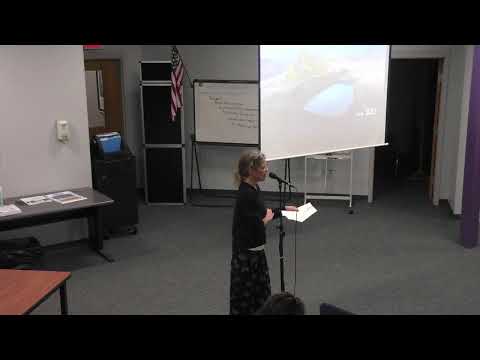
Mrs. Schistler, presenting at the RSU 35/MSAD 35 meeting, focused on chronic absenteeism and the schools efforts to boost daily attendance and student belonging.
She emphasized that early-grade attendance builds learning habits and cited a statewide point that in 2023-24 about a quarter of Maine students were chronically absent. At the school level she walked the board through enrollment and month-to-month figures and told the board she had shared a memo highlighting a high absentee figure to prompt attention; she said that in one memo she reported a 70% number as a prompt for action, and also shared comparative monthly metrics (October last year 6.5% vs. October this year 2.8%). The meeting did not produce a separate dataset to reconcile those different percentages.
Schistler described school-level strategies: morning greeting routines (staff at doors and bus welcome), "hawk buddies" pairing with older students, small-group lunch/social groups, and a "common corner" with regulation tools funded by a grant. She said 13 staff received state-funded professional development in "regulated classroom" techniques (connectors/activators/settlers) supported by a grant she estimated at about $20,000; the training uses a "train-the-trainer" model so trained staff can teach others.
She also described an expanded MTSS process: weekly, grade-by-grade meetings where staff review each childs academics, social-emotional needs, attendance and family engagement and develop individualized plans. Parent and student surveys reported high perceived safety and enjoyment in school (Schistler reported roughly 93% of second- and third-graders saying they feel safe and 96% saying they enjoy coming to school among survey respondents).
Other items included PTO-funded programming (about $18,000 annually for field trips), partnerships with local organizations (Sandy Hill Farm, recreation department), and service-learning projects (Veterans Day, food drives). Schistler closed by urging continued work with families and community partners to sustain gains in attendance and engagement.
The board thanked Schistler and noted that the district will follow up on additional data and program support.