Get Full Government Meeting Transcripts, Videos, & Alerts Forever!
Get email alerts on the Fire Department Infrastructure topic
No spam. Unsubscribe anytime.
Fire chief urges new central station, warns modern engines no longer fit aging bays
Summary
The fire chief, who identified himself only as Jake, told the meeting that two town stations are roughly 80 years old and no longer fit current apparatus; he outlined design concepts, funding options and a plan to issue an RFP and pursue grants and bond financing.
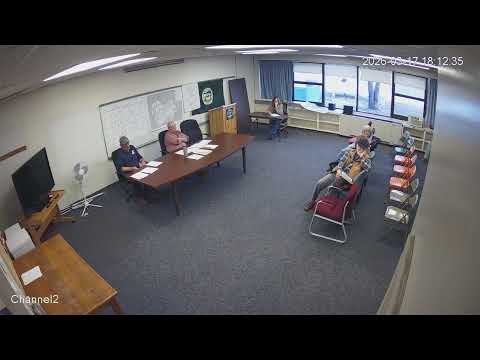
The town received a presentation on plans for a new municipal fire station after the fire chief, who identified himself only as Jake, told members the department’s existing facilities are roughly 80 years old and are not sized for newer, larger engines.
Jake said the department has relied on a 2022 study that found the stations are increasingly inadequate and that continuing to “make do” is raising safety and operational concerns. “My goal is obviously not to completely destroy our tax base, but … present to you guys that there is a real need for this,” he said, urging the municipal officials to begin a design phase so the town can pursue funding.
He described early design work and two planning options presented in the 2022 study: a single central station or two smaller east‑and‑west stations. Jake recommended a single central station, saying the town lacks suitable property for two locations and that two stations could cost more overall. He also noted automatic aid agreements with neighboring departments as a complement to response coverage.
On financing, Jake outlined multiple paths: municipal bonding stretched over 30 years, rural development loans, design‑build procurement and grant funding. He said he has been looking at congressional directed spending (CDS) opportunities and cited figures he associated with Susan Collins’s CDS allocations for fire‑station projects; he also said the current CDS application window had just closed and that the town should plan to apply during the next cycle after completing design work.
Jake provided rough comparative cost estimates for a station (based on recent regional projects) and warned that costs rise if the town waits. He described facility features the department considers essential: larger apparatus bays (two‑deep to house up to six trucks), decontamination and separate HVAC zones to limit contamination of living areas, an exhaust removal system for vehicle emissions, sleeping quarters for possible full‑time staffing and training spaces.
Members discussed alternatives to immediate new construction, including upgrading existing trucks and delaying apparatus replacement scheduled for 2032. One member noted that retrofit and targeted upgrades to extend vehicle life could reduce near‑term capital spending while the town advances station planning.
Jake said next steps would include preparing an RFP for design or design‑build teams, presenting clear cost and tax‑impact scenarios to the public, and holding informational meetings with bond bankers and potential builders. He said the town will aim to finalize the design-phase scope before applying for major external funding opportunities.