Get Full Government Meeting Transcripts, Videos, & Alerts Forever!
Get email alerts on the Land Use topic
No spam. Unsubscribe anytime.
Town staff: engineered plans required for trails on slopes over 20%; footpaths may avoid formal construction rules
Summary
Richmond town staff told the Trails Committee that many proposed routes trigger land-development rules because they expand a conditional use; slopes above 20% will require professionally stamped erosion-control plans, while minimal footpaths that avoid construction thresholds may be handled more lightly.
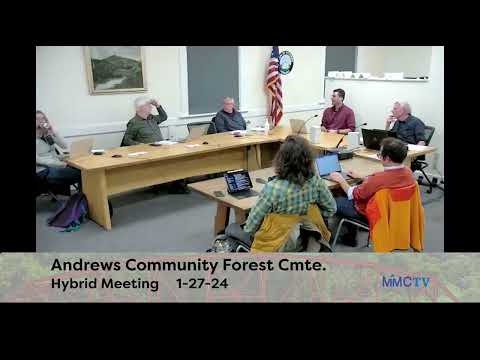
Tyler, a town staff member attending the Richmond Trails Committee meeting, told members that while trails are broadly 'allowed' under the town zoning code, expanding an existing conditional use can trigger land-development review and engineered erosion controls.
That matters because, Tyler said, the code’s definition of open space and conditional uses means "trails are allowed everywhere" but expanding an 'outdoor recreation facility' can make trail work meet the definition of Land Development. He added, "if it looks like construction it's going to be counted as construction," noting that building steps, boardwalks or other infrastructure would push a proposal into the construction threshold that requires professional engineering.
Why it matters: many of the committee's proposed alignments run across terrain whose slopes exceed the town’s procedural thresholds. Tyler warned that work on slopes over 20 percent generally requires a licensed engineer to prepare erosion- and sedimentation-control plans, and that projects hitting 35 percent slopes face additional prohibitions without major earthwork or mitigation.
Committee members pressed for practical steps. Tyler outlined the permitting sequence: get Select Board sign-off to submit an application (the property owner must approve), attend a pre-submission meeting with town staff, provide full application materials at least 20 days before a Development Review Board hearing, and expect the DRB to either approve, deny or continue the matter. If approved, staff typically drafts a written decision within 45 days; there is then a 30-day appeal window.
Tyler urged the committee to consider lower-impact pilot projects and to use existing access corridors where feasible. "If you can tweak routes to avoid the steepest areas, you might get something across the finish line," he said, adding that existing skid roads or utility corridors are often viable and may reduce the need for engineered work.
Costs and next steps: the staff briefing underscored that engineering reports and sealed plans are not minor expenses. Committee members asked for rough cost ranges and discussed whether the town might include trail feasibility or design in an RFP for revising the forest management plan. Tyler recommended meeting the Select Board early to align expectations about who will fund engineering and whether the Select Board wants to be involved in trail design decisions.
The committee did not vote on any zoning changes; the session provided a staff interpretation of current rules and next procedural steps. The guidance will inform subsequent management-plan edits, draft trail alignments and any request the committee makes to the Select Board for funding or direction.