Get Full Government Meeting Transcripts, Videos, & Alerts Forever!
Get email alerts on the Municipal Budget topic
No spam. Unsubscribe anytime.
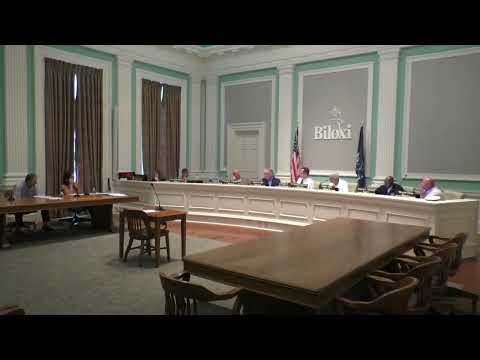
Biloxi council sets $74 million budget baseline, explores taxes and delinquent‑tax collections
Summary
City council members reviewed a preliminary $74 million revenue starting point, debated options including a millage increase and a tourism/occupancy tax that would require state legislation, and directed staff to pursue delinquent-tax lists and other collections while targeting $500,000 in non‑departmental cuts.
The Biloxi City Council reviewed a preliminary revenue baseline of roughly $74 million and began weighing ways to close a projected shortfall, including possible millage increases, tourism‑oriented taxes and steps to pursue delinquent tax collections. Council members also discussed targeted cuts in non‑departmental spending and operational pressures such as health‑insurance and workers‑compensation costs.
The council’s budget conversation opened with a council speaker saying, "Our starting point is in that uh zone of 74 to 70 million uh dollars on the revenue on the top side," and setting an early target to trim about $500,000 from non‑departmental accounts as departments prepare detailed requests. Diane, a finance staffer, told the council that transfers between funds account for several major line items, including roughly $4.4 million in MIMA money inside a $7.1 million transfers total, a contractual $25,000 transfer for baseball maintenance and an annual sales‑tax rebate to Rouses of about $260–$270; she said anticipated health‑insurance needs total about $2 million and workers' compensation is shown at roughly $500,000.
Councilman Shoemaker outlined revenue options that the city is reviewing, saying coastal cities are "hitting heavier than our weight" on tourist demand and noting three possibilities: a millage increase, a gaming tax and a tourism/occupancy tax. He cautioned that a coastwide tax that would not require referendum would need enabling state legislation and suggested mayors along the shore are coordinating positions ahead of the Municipal League meeting.
Members expressed strong interest in ensuring Biloxi receives its fair share of delinquent‑tax recoveries. One council speaker noted widespread reports that some larger businesses have not paid taxes and said the resulting shortfall could be "in the millions"; Diane explained the limits of state Tax Commission reporting, that tax‑sale proceeds typically return penalties and interest to taxing districts once properties are sold, and that the city can place a lien on real property (but not on personal property) to recover amounts owed.
Council members asked staff to provide a list of delinquent properties (Sharon was identified as the staff contact) so the city can pursue collection opportunities this budget year. Diane also said some long‑standing delinquencies have been turned over to the state and may be resolved when properties are auctioned, which would reverse portions of the city’s allowance for doubtful accounts.
Budget line items raised further questions: Councilman Jamie asked that future reports show in‑kind donations and fee waivers (for example, facility deposit waivers) so the council can account for the full value of support provided to nonprofits. Councilman Marshall urged the council to prioritize development on East Biloxi, arguing the city has existing paid‑for infrastructure — sidewalks, parking, water and sewer lines — on many vacant lots and that concentrating growth there could reduce the need for costly new infrastructure and additional fire stations. "We've already paid for all the parking areas... sidewalks... water lines... sewer lines," Marshall said, urging the council to leverage existing assets rather than spending taxpayer dollars to clear new acreage.
Staff clarified several revenue codes: a separate short‑term rentals account was created to track those fees but is not consistently used and showed only a small receipt this year before rolling into the privilege‑license code; community‑court fines have largely been absorbed into the municipal‑court general fines account and the community court now functions more as a proactive compliance tool than a revenue driver.
On collections, staff reported about $1.4 million outstanding in reinsurance/receivables across recent fiscal years and noted that special‑assessment collections (charges added to tax rolls when the city performs cleanup) were about $21,000 as of period 8 (end of May). Council members asked for year‑by‑year breakdowns of long‑term delinquencies; staff said older cases (including items dating to the 1990s totaling about $385,000 discussed in the meeting) are typically recovered when properties sell at state auction.
A final operational note flagged solid‑waste cost increases: a council speaker said household trash pickup would rise from $25.50 to $28 per month to reflect higher HCUA charges. The meeting closed on a motion to adjourn moved by Councilman Gray and seconded by Councilman Neil; the chair called the vote but the tally was not recorded in the transcript.
The council directed staff to return with more detailed department budgets, a list of delinquent properties for collection follow‑up, and clearer reporting of in‑kind donations and fee waivers to inform final decisions as the budget process continues.