Get Full Government Meeting Transcripts, Videos, & Alerts Forever!
Get email alerts on the Budget topic
No spam. Unsubscribe anytime.
Rockwood R-VI board adopts 2026–27 budget that plans a $9.4 million drawdown of reserves
Summary
The ROCKWOOD R‑VI Board approved the 2026–27 annual budget that includes $291 million in operating expenditures and a planned $9.4 million operating deficit for FY27, while urging continued advocacy to address state funding shortfalls and potential impacts from Missouri ballot measures.
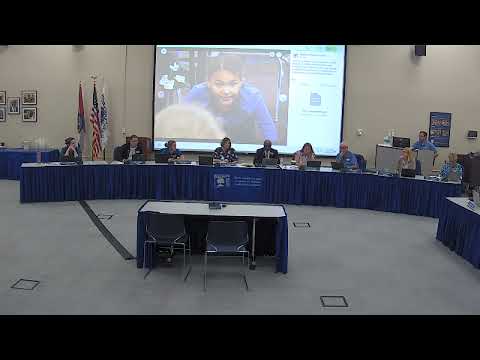
The ROCKWOOD R‑VI Board of Education on June 24 adopted the district’s 2026–27 annual budget, a spending plan that officials said honors previously negotiated contracts and maintains current programs while relying on a planned operating drawdown to preserve services.
In a presentation to the board, Chief Financial Officer Cindy Bice said the budget shows total operating expenditures of $291 million and includes a $9.4 million planned operating deficit for fiscal year 2027. Bice said a state funding assumption increase to $6,865 per student added roughly $2.3 million to Rockwood’s revenues compared with the May proposal, but the district still forecasts reduced operating revenue overall.
The budget message emphasized that the district has adequate reserves to carry the planned deficit in the near term. Bice said the district ended fiscal 2025 with a 35.2% fund balance and expects to end fiscal 2026 somewhat higher before projected declines in later years under current spending levels. ‘‘If we continue to spend at the same rate we are spending now, this is the track that that puts us on,’’ she said, summarizing the multi‑year projection.
Board members pressed staff on steps to moderate the projected reserve decline, including tighter departmental budgets, potential zero‑based reviews, continued health‑insurance cost control and careful staffing adjustments. Dr. Cain, the superintendent, noted that about 85% of the district’s budget is salaries and benefits and said managing benefits and negotiating with employee groups will be central to corrective actions.
Public comment earlier in the meeting underscored the state funding context. Laura Zink, during patron comments, urged the board to educate the community about Missouri’s Amendment 5 and its potential to eliminate the state income tax, warning of significant state revenue loss and downstream cuts to education funding. Christy Cox, a Rockwood parent, recounted experience in another state to illustrate how reduced funding can accelerate teacher turnover.
Bice told the board that the budget keeps the district’s AAA credit rating and that the spending plan aligns with the district’s strategic priorities and Proposition 3 capital projects. She recommended continued advocacy with the state legislature to protect education funding and emphasized that corrective actions will be needed in coming years to preserve adequate reserve levels.
The board approved the budget as presented by voice vote. The transcript records the motion, second and voice approval but does not provide a roll‑call tally in the public record provided.
Next steps: staff will continue department‑level reviews, pursue targeted corrective actions and report back to the board as the district refines multi‑year projections and negotiates future staffing and benefit agreements.