Get Full Government Meeting Transcripts, Videos, & Alerts Forever!
Get email alerts on the Victim Services topic
No spam. Unsubscribe anytime.
Resident urges local leaders to fund SANE clinic as child sexual‑assault cases persist
Summary
At an Eagle Pass regional meeting, resident Senri Ketas urged officials to establish a local Sexual Assault Nurse Examiner (SANE) clinic to improve evidence collection, reduce trauma for victims and strengthen prosecutions; officials said funding and inter‑governmental cost‑sharing — not new legislation — are the likeliest near‑term solutions.
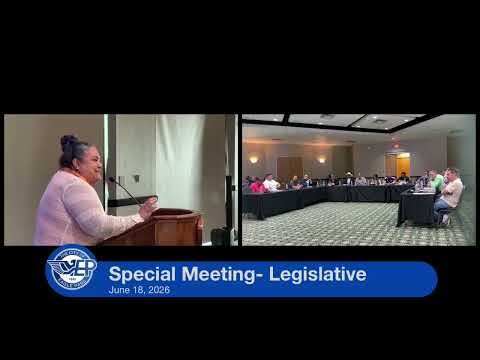
Senri Ketas, a longtime local official who spoke during public comment, told elected leaders that child sexual‑assault cases in Maverick County are a chronic problem and that the community lacks a local Sexual Assault Nurse Examiner (SANE) clinic to serve child victims. “We have never focused … get the bull by the horns and get it done,” Ketas said, pressing officials to make child protection a top legislative and budget priority.
Why it matters: Without nearby forensic medical exams, victims often must travel for hours for evidence collection, which adds trauma and can impede criminal prosecutions. Officials at the meeting repeatedly linked the absence of a local SANE capability to difficulties in proving cases and removing predators from the community.
Local officials and staff described several possible paths forward but emphasized funding and logistics rather than new state law. Mr. Vera, who oversees the priority packets, told attendees that Valverde County previously secured funding and a SANE arrangement that Maverick could replicate through a cost‑sharing agreement: joint contracts or an interlocal agreement to share an already‑trained examiner could be faster and less complex than drafting new legislation.
Police leadership confirmed current practice requires victims to travel to San Antonio for exams, and that temporary measures exist: a traveling Texas forensic nurse examiner sometimes comes to the area through a regional shelter. The Police Chief said transporting victims and supporting long trips strains departmental resources and increases trauma for the victim, and urged a local, permanent solution.
Health and legal staff outlined operational requirements and constraints. Establishing a SANE examiner locally requires an RN with specialized forensic training, supervised clinical observation (including pediatric cases), 24‑hour coverage considerations, and a sustainable funding source for ongoing staffing and training. One health partner said under‑reporting and inconsistent data collection have obscured the true scope of need; staff cited earlier audits showing only a small number of reported cases versus practitioners’ caseload estimates.
Officials suggested near‑term steps: (1) pursue a cost‑sharing agreement with nearby providers such as Valverde, (2) seek grant funding through regional councils and criminal‑justice divisions, (3) direct local budgets to appropriate funds for a SANE examiner, and (4) explore teleforensic options in partnership with Fort Duncan Medical Regional Center. City Attorney Sophie Garcia and a local prosecutor said local forensic exams would provide stronger medical evidence and improve prosecutorial outcomes.
Next steps: Participants agreed to narrow priorities and pursue specific funding mechanisms, with staff and local legislators offering to assist with grant applications and interim legislative advocacy. No formal action was taken at the meeting; attendees set a follow‑up meeting to finalize requests before the legislative session.