Get Full Government Meeting Transcripts, Videos, & Alerts Forever!
Get email alerts on the School Meals topic
No spam. Unsubscribe anytime.
Arlington food services touts universal meals, local sourcing and staffing gains while flagging kitchen space limits
Summary
Food and Nutrition Services leaders told the School Committee the district now serves about 4,000 meals a day across 11 schools and highlighted awards and culturally responsive menu pilots, but said aging kitchen space and equipment limit expansion of scratch cooking and storage.
Denise Bucha, director of Food Nutrition Services, told the Arlington School Committee that the district’s food program is back to full staffing and now serves roughly 4,000 meals a day across 11 schools, a shift that has enabled new initiatives in menu diversity, scratch cooking and sustainability.
Bucha and Alexa Dans, assistant director, opened with program scale and funding: the district participates in the federally funded National School Lunch Program and benefits from Massachusetts’ permanent universal free meals policy. Bucha said the program must meet federal nutritional standards to receive reimbursement and described efforts to reduce sodium and added sugar while increasing protein and culturally responsive options.
The presenters highlighted recent recognition: a state “Terrific Tray” award tied to Mass. Farm to School and a USDA Healthy Meals Incentive national award. They described menu pilots — French-inspired dishes, Dan Dan noodle bowls and locally sourced street taco bowls — and taste-testing efforts that preceded menu additions.
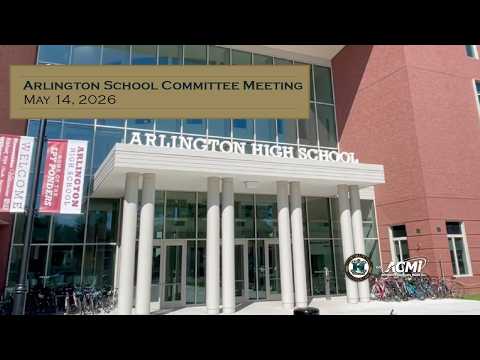
Committee members pressed on operational constraints. "When lunch became free it expanded," Mr. Thielman said, asking whether high school kitchen space was adequate; Bucha said many kitchens were sized to earlier enrollment projections and that the high school and some smaller schools face storage and equipment limits that complicate scratch cooking. The team said solutions under exploration include replacing obsolete equipment and evaluating linen/return services for reusable trays.
On future federal guidance, Alexa Dans said Arlington is watching 2025–2030 dietary guidelines and seeking clearer definitions of “ultraprocessed” foods so districts can plan; she said full impacts often take years to flow into child nutrition programs.
The presentation closed with sustainability efforts — transitioning some schools to stainless steel trays, reducing single-use condiments and securing a microgrant to pilot reuse programs — and next steps focused on continuing staff training, expanding culturally responsive menus and working with facilities on space and power needs.
The committee did not take formal action on the presentation. Members requested follow-up on facility constraints and timing implications for lunch periods at different grade levels.