Get Full Government Meeting Transcripts, Videos, & Alerts Forever!
Get email alerts on the Backyard Chickens topic
No spam. Unsubscribe anytime.
Proposal for backyard-chicken ordinance advances with training, inspections and fines
Summary
A community group presented a drafted backyard-chicken ordinance modeled on nearby towns, proposing a required 3‑hour class, property inspections and fines up to $1,250; commissioners asked about enforcement, advisory-board meetings and pilot-vs‑ordinance approaches.
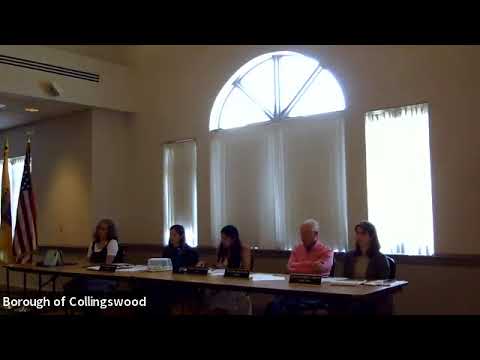
Woodbury, who identified themself as an advisor to the Woodbury public school district, presented a proposed backyard‑chicken ordinance drafted by a volunteer committee and adapted from local models, including Stratford. The presenter said the draft sets hen limits keyed to housing type, and that committee members reviewed and incorporated features that fit smaller row‑home lots as well as larger single‑family properties.
The committee asked the borough to authorize an advisory board to manage training, inspections and licensing. Woodbury said the board already has volunteers including a secretary (Ann DeVito) and expects to meet at least twice yearly—or more often during program startup—either in person or by Zoom. The board would oversee a required 3‑hour classroom or Zoom course followed by a quiz, a measured on‑site property inspection, and a second visit to verify predator‑proofing before a license is issued by the clerk’s office.
Commissioners asked how enforcement would work and whether fines were imposed in other towns. The presenter described an educational approach: an initial two‑week cure period for verified nuisances followed by enforcement‑officer involvement if problems persist. The draft ordinance includes a fine provision “not to exceed $1,250 per offense,” and the presenter said other municipalities rarely escalate to fines or prosecution even though statutory enforcement language is common.
Supporters at the meeting stressed the program’s training and inspection steps and said the multi‑step process—including the class, measurements and predator‑proofing checks—was designed to reduce nuisance complaints. Commissioners pressed for clarity on which duties would be carried out by volunteers versus municipal staff and whether pilot programs were necessary; the presenter recommended proceeding with a formal ordinance rather than a pilot, citing several nearby towns that moved from pilot to full ordinance successfully.
The commission did not take a final vote during this session. Next steps discussed included additional legal review, clarifying advisory‑board meeting openness and agenda practices, and integrating the enforcement procedure and fee schedule into the final draft. The matter will return for further consideration.