Get Full Government Meeting Transcripts, Videos, & Alerts Forever!
Get email alerts on the Cdbg Action Plan topic
No spam. Unsubscribe anytime.
Steering committee approves recommendation for 2026–27 CDBG action plan
Summary
The steering committee voted to recommend the city’s Community Development Block Grant (CDBG) 2026–27 annual action plan, allocating $282,342 with major increases for minor and emergency homeowner rehabilitation, program administration, a new relocation expense line and funding for code enforcement; the plan goes to city council in August.
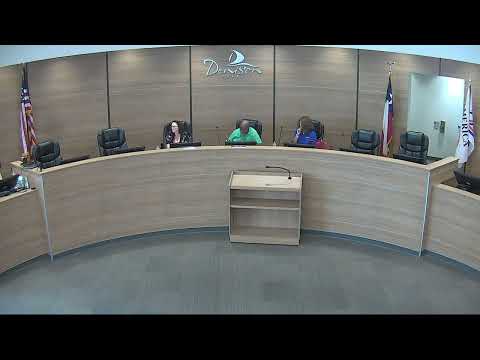
The Community Development Block Grant steering committee voted to recommend approval of the city's 2026–27 annual action plan, which allocates $282,342 for program year two of the current five‑year plan and will go to the city council for a public hearing and final adoption in August.
Staff told the committee that HUD requires an annual action plan and that the plan document is publicly available on the city website and at the staff desk. “We are required to develop an annual action plan for all of the program years for the CDBG funding that we receive,” the staff member said, explaining the meeting was the required public hearing.
The allocation for 2026–27 is $282,342, roughly $4,500 more than the prior year, staff said. The committee was told the city’s last Section 108 loan payment is scheduled for September; paying that loan will return previously committed dollars to the CDBG program and increase flexible funding for the coming year.
Staff proposed directing the bulk of the additional funds—about $182,000—into the minor and emergency rehabilitation program to assist owner‑occupied households that meet HUD income and eligibility criteria. By contrast, the last few years’ rehabilitation fund pools were on the order of $40,000–$50,000 and were exhausted quickly; staff said the larger allocation could help about 35 households. “By the time the applications came in we had already essentially spent the money,” the staff member said, describing the increased funding as a major improvement.
The plan also would set aside $42,000 (about 15% of the allocation) for program administration, which staff said stays under HUD’s 20% administrative cap and covers tasks such as inspections, time tracking for code enforcement work in low‑ and moderate‑income (LMI) areas, and plan preparation.
For the first time in this program’s recent history, staff recommended a relocation expense line for substandard structures that are uninhabitable due to fire, building‑code violations, or health and safety concerns. Staff cited recent local incidents including the Dennis Inn and Marvin Gardens apartments as examples where displacement coordination was necessary. Staff emphasized the city needs a formal policy on when and how CDBG relocation assistance would be used, noting open questions about nightly hotel rates, the number of nights covered and the limits of assistance.
The staff member also proposed using part of the allocation to fund the salary and related costs for a code enforcement officer whose work would focus on LMI areas, noting that CDBG rules allow personnel costs tied to eligible activities.
A committee member asked whether the $282,342 figure included the Section 108 loan payment; staff confirmed the loan payment is not included in that amount. After the discussion, a committee member moved to accept the staff recommendation and the panel approved the motion by voice vote; no roll‑call tally was given. The committee will forward its recommendation to the city council for a public hearing and adoption in August.
The meeting adjourned after the vote.