Get Full Government Meeting Transcripts, Videos, & Alerts Forever!
Get email alerts on the Tax And Revenue topic
No spam. Unsubscribe anytime.
Madera supervisors place 2% transient‑occupancy tax increase on November ballot to bolster public safety
Summary
The board voted to introduce an ordinance to raise the county transient occupancy tax from 9% to 11% and to consolidate the measure with the November 3, 2026 general election; public safety officials urged the measure to fund search and rescue, patrols and emergency response tied to tourism and short‑term rentals.
The Madera County Board of Supervisors on June 23 approved introduction of an ordinance and a resolution to place a measure on the November 3, 2026 ballot asking unincorporated area voters to increase the transient occupancy tax (TOT) from 9% to 11%.
County staff explained that if the ordinance is approved by voters, the combined county rate including the TBID component would be 13.5%, bringing the county in line with some neighboring rural tourism jurisdictions. Supporters on the record pointed to increased costs from tourism: Sheriff Tyson Pogar said search and rescue and noise disturbances in mountain resort areas have risen and asked voters to decide whether visitors should help fund the additional public safety burden. "By moving this forward, it'll give the voters the opportunity to decide whether the visitors who helped create that demand should help fund the services to meet it," Pogar said.
District Attorney Sally Moreno and representatives of CAL FIRE Local 2881 and the Madera Deputy Sheriff's Association similarly urged the board to place the measure on the ballot, pointing to rising incident complexity and the cost of emergency response. Testimony from public safety representatives included data and operational examples: the sheriff referenced 340 search and rescue callouts since 2023 and a 57% increase in noise disturbance calls in mountain areas since 2023.
Proponents said a voter‑approved increase would create a revenue stream (staff estimated roughly $1.78 million annually) paid primarily by visitors and short‑term renters rather than property owners, and could support emergency services, road maintenance and disaster preparedness in tourism areas.
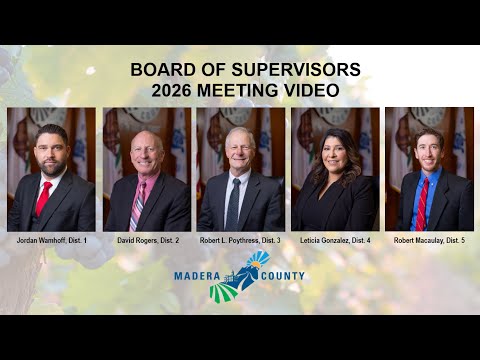
The board voted 5-0 to introduce the ordinance and call for consolidation with the statewide general election; the measure will go to voters in November and any revenue allocations will depend on the language finalized for the ballot.
The county clerk and elections office will handle ballot placement and the clerk's office will post necessary filings to finalize the measure for the November election.