Get Full Government Meeting Transcripts, Videos, & Alerts Forever!
Get email alerts on the Permit Policy topic
No spam. Unsubscribe anytime.
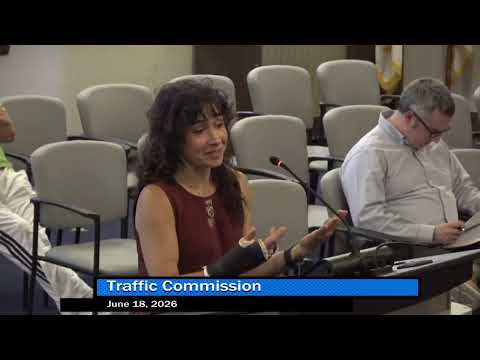
Commission tables mayoral permit-cap proposal, forms working group after staff data presentation
Summary
Mayor Patrick Keefe asked the Traffic Commission to consider limiting residential parking permits to four per unit. Parking director Zachary Babo presented historical permit data showing large outliers; the commission voted to form a working group and table the proposal for further study.
Mayor Patrick Keefe asked the Revere City Traffic Commission to consider a regulation limiting residential parking permits per address (proposed four-per-unit cap) and to include an appeals process. Director Zachary Babo presented historical permit-distribution data and said the department’s Teleme system can now segment permit issuance by neighborhood for better analysis.
Babo told the commission the distribution is concentrated at the high end: "Some single families with 11. Some single families with 14. You have three families with 19," and suggested the commission consider either a hard cap or a pricing mechanism to deter on-street proliferation. He recommended forming a working group with commission members, ward councilors and DPCD staff to develop options rather than acting immediately.
Commission members agreed that the permit data were eye-opening and voted to table the mayoral request while forming the working group. The group will be charged with reviewing the packet of historical permit data, evaluating caps versus pricing and drafting an appeals process before the commission considers formal regulation.
No specific cap, fee schedule or timeline was adopted at the meeting; members said they prefer a deliberative process that includes affected ward councilors and public input.