Get Full Government Meeting Transcripts, Videos, & Alerts Forever!
Get email alerts on the Mobile Food Vendors topic
No spam. Unsubscribe anytime.
Livingston council asks staff to return with options on food‑truck caps and 'food‑plaza' models
Summary
After hearing resident interest and planner recommendations, the council directed staff to return at the first August meeting with options for mobile-vendor rules: keep existing caps, raise limits, remove caps, or create a permitted 'food‑plaza' model for designated commercial locations.
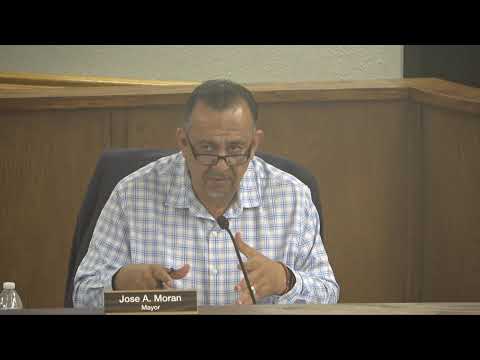
Councilors on June 16 discussed whether to keep, raise or eliminate the city's existing cap on mobile food vendors (a limit of one food vendor per 5,000 residents under current code). Several council members said resident feedback supported more food‑truck access; others urged caution to avoid damaging long‑standing brick‑and‑mortar restaurants.
Planner Miguel Galves recommended separating three categories for regulation: (1) independent mobile vendors operating at single locations, (2) short‑term special‑event vendors, and (3) permanent, permitted 'food‑plazas' or GrubHub‑style sites that would be treated as development proposals with parking, restrooms and performance standards (a use permit in a C‑3 zone). He said larger food‑plaza proposals are often best managed through zoning and a use‑permit process so the site can provide utilities, trash service and parking.
A council member who requested the docket item said a social‑media pulse of residents returned overwhelming support for more food trucks; other councilors asked staff to survey existing brick‑and‑mortar businesses and to bring examples from nearby jurisdictions (Turlock, Merced and others) for comparison. Council gave staff direction to return at the first August meeting with a staff report comparing policy options — including the GrubHub/food‑plaza approach — without drafting ordinance text unless a clear preferred option emerges.
Why it matters: Mobile vendors can expand dining choices and support small entrepreneurs, but regulators must balance new entrants against impacts on established restaurants and local economic development goals. A GrubHub‑style plaza could concentrate vendor activity in well‑served locations while minimizing impacts downtown.
Next steps: Staff will analyze neighboring cities’ rules, survey local restaurants, and present policy options to council at the first August meeting.