Get Full Government Meeting Transcripts, Videos, & Alerts Forever!
Get email alerts on the Ambulance Fees topic
No spam. Unsubscribe anytime.
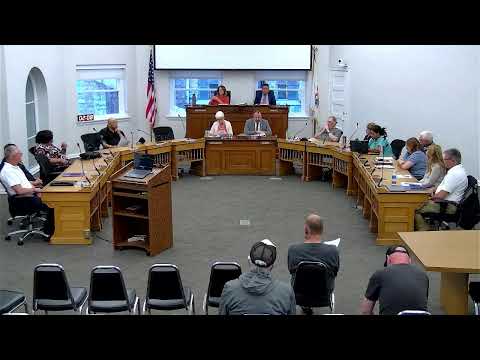
Fire chief urges doubling resident ambulance fee to $2,000; council rejects CPI-only amendment
Summary
Freeport officials held an extended debate over a proposed increase in ambulance transport rates — from $1,200 to $2,000 for residents — with an amendment to limit the change to missed CPI adjustments failing 4–3. Council advanced the ordinance after the first reading for further consideration.
Chief Cordy presented an ordinance (first reading) proposing to raise the city’s resident ambulance transport fee from $1,200 to $2,000, increase the non-resident fee to $2,500 and lift the per-mile charge to $20. He told council the city’s current rates place it among the lowest in the region and that higher fees would replenish a fire-department capital improvement fund used to replace ambulances and fire trucks.
“We are losing out on revenue,” Chief Cordy said, noting the city’s regional reimbursement benchmark from the Ground Emergency Medical Transport program was about $1,317 and that the department had been operating at a comparative disadvantage. He said the proposed revenue would support vehicle and facility replacement on a planned schedule.
Alderman Johnson moved to amend the proposal to restore missed annual CPI increases from prior years rather than adopt the department’s $2,000/ $2,500 proposal. Johnson said recalculating the 4 years of missed CPI adjustments would raise the resident charge to roughly $1,305 and the non-resident charge to about $1,850, and that incrementally applying those increases would be less burdensome for residents.
Supporters of Johnson’s amendment argued it would be a fairer way to catch up after years without automatic adjustments; opponents said the amendment would leave the city below regional peers and risk underfunding long-term capital needs. City Manager Boyer and staff described how a portion of transport revenue is programmed for the fire capital account and emphasized the department’s equipment replacement cycle.
On the roll call, the Johnson amendment failed 4–3. After the failed amendment, councilors returned the ordinance to its original form and moved the item forward for further consideration at a subsequent meeting (first reading only; no final adoption occurred).
Public commenters had raised affordability concerns earlier in the meeting. Scott Corbin, during public comment, warned a higher transport charge could impose meaningful out-of-pocket costs on Medicare beneficiaries and low-income residents and urged council to consider alternatives to shifting costs to users.
What happens next: Council advanced the ordinance after first reading; staff and council will have an opportunity to refine or amend the ordinance before a final vote on the measure.