Get Full Government Meeting Transcripts, Videos, & Alerts Forever!
Get email alerts on the Education topic
No spam. Unsubscribe anytime.
Receivership update: Isaac and Antelope districts show fiscal progress, receiver says
Summary
JS Held receiver Keith Kenny reported financial improvements in Isaac and Antelope school districts — reduced overspending, stronger monthly cash balances and restored USFR compliance in Antelope — while noting remaining capital deficits, leaseback obligations, and the risk of tax‑judgment revenue adjustments.
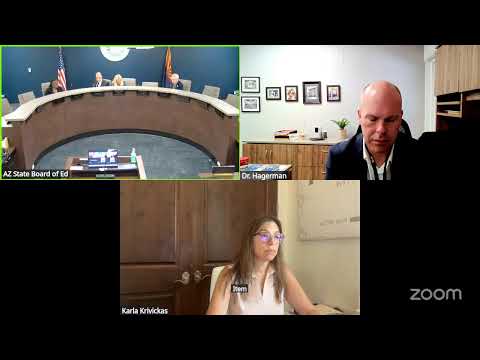
The board received a detailed receivership update from Keith Kenny of JS Held on two districts placed in receivership for financial instability.
Isaac School District: Kenny said when the receiver assumed oversight earlier this year the district’s M&O books showed what initially appeared to be a $5.7 million overspend; after corrections and tighter controls the district reduced the shortfall and expects to end the year with a $1–2 million carryforward. Kenny described a series of policy and internal control changes, completion of grant closeouts, and improved monthly positive cash balances (averaging about $7 million) with timely debt payments. Longer‑term issues cited include restoring full USFR compliance (targeted by end of 2027), eliminating an unrestricted capital deficit that arose from prior overspending on capital projects, and addressing a leaseback obligation with a balloon payment due in future years. Kenny said the receiver is exploring bond options and real‑estate sales as ways to accelerate debt reduction.
Antelope Union High School District: Kenny reported Antelope has not overspent its budget since receivership began and achieved USFR compliance on May 7, 2024. The district significantly reduced outstanding registered warrants and, subject to resolution of a few tax‑judgment adjustments and reimbursement processes, is on a trajectory to clear those liabilities and approach a healthy reserve level within a few years. Kenny cautioned that tax‑judgment recoveries and occasional county adjustments can cause short‑term cash timing pressures; the district has used statutory mechanisms and coordination with ADE to recover withheld amounts in the past.
Board members asked about the size and terms of leaseback debt, the cooperation of locally elected boards, and the ability of small districts to operate efficiently. Kenny acknowledged intermittent friction with local boards early in receivership but said training and oversight are improving fiscal governance.
What’s next: Receivership remains in place while both districts continue multi‑year remediation and reporting to the board; staff and the receiver will return with further status reports, planned remediation steps for capital deficits, and updates on property sales or bond plans that could accelerate debt repayment.