Get Full Government Meeting Transcripts, Videos, & Alerts Forever!
Get email alerts on the Education Budget topic
No spam. Unsubscribe anytime.
Bonny Eagle school officials present $73.5 million FY27 budget, propose two bonds; Limington's share estimated at 5.12%
Summary
District officials presented a proposed FY27 budget of roughly $73.5 million, citing salary and benefit pressures and proposed use of fund balance to limit the tax increase; the district also put forward two ballot items—a state-assisted SRRF bond and a larger capital project bond including HVAC, roof and stadium repairs—whose first payments would begin in FY28.
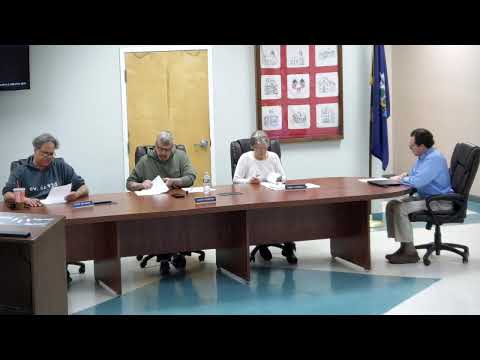
Bonny Eagle regional school officials presented their proposed FY27 budget to the Limington Select Board on April 16, saying the district has trimmed non-labor expenses but faces sizeable increases in salary and benefits.
The district's preliminary budget was presented at $73,480,287, which the presenter said initially translated to a 5.82% tax increase; updated health-insurance figures reduced the total to just over $73 million and shifted the estimated average homeowner tax-assessment increase to about 4.59% once the board's recommended use of fund balance is factored in. "The budget stood at $73,480,287, and that was going to be a tax increase of 5.82," the presenter said during the meeting.
School officials said most controllable non-labor costs were flat after a fall review with department leaders and a six-meeting citizen budget advisory committee. Officials told the Board that the largest drivers of the increase are contracted salaries and benefits, including a final health-insurance number that came in lower than feared (about 9% rather than an earlier 14% or the earlier worst-case 20%).
The presentation outlined 11 budget "articles" that voters will see, including a 6.1% increase for regular instruction. That article includes funding for three community-partner pre-K classrooms serviced by providers in neighboring towns. Officials said those slots will be state-subsidized and that adding them raises instructional costs while offsetting them with pass-through revenue. "If we get 48 kids, we're going to get so much per-student increase in our subsidy," the presenter said.
Special-education costs also rose, the presenter said, because the district sometimes must place students in out-of-district programs that can carry very high price tags. "Some of these placements — when I say really expensive — they can be three and four hundred thousand dollars for one student," the presenter said, explaining why the special-education article faces near 7% pressure.
Two bond questions will also appear on the ballot. District officials asked voters to consider: - an SRRF (State Revolving Renovation Fund) application for work at Georgia Jack School; presenters said the state award would forgive roughly half of that project and the remaining financed portion would be at 0% over 10 years; and - a capital project bond to address deferred maintenance across schools, including boiler and HVAC controls, roof repairs, VRF systems, an overhaul of the Bonny Eagle High School track and an artificial turf field for the stadium.
Officials said if the capital bond and SRRF applications are approved and funded, first payments would not hit the district budget until FY28. The district estimated FY28 payments on the bond package at about $990,000 annually over a 10-year financing horizon, with the bond bank's then-current estimate for interest in the 4% to 5% range.
The presenters defended packaging the stadium and infrastructure work together, arguing that deferred repairs have become more expensive and that combining projects provides an equitable allocation of needs across the towns served by the district.
On the question of reserves, a resident asked how much fund balance the district holds. A district official replied that the FY25 ending fund balance was $9.7 million. The district had budgeted to use $4 million of it for the current year but now estimates actual use may be lower; for FY27 the district proposes using $5 million of fund balance to reduce the tax assessment, a move officials described as a "measured risk" to limit the near-term tax increase.
The presenter described the ED279 process the state uses to apportion spending among member towns and said Limington's assessment percentage in the district calculation is 5.12%. The presenter advised residents that the ED279 report and related figures are public on the Maine Department of Education website.
What happens next: the district will present budget articles for voter consideration at the public budget meeting (May 6) and the district's final vote is scheduled for early June; the bond questions will be separate ballot items. Officials encouraged residents to review the district's online packet and FAQs before the votes.
Speakers quoted in this article are identified in the meeting speakers list; direct quotes are attributed to the presenter or named speakers when the transcript supplied that identity. The district packet is posted online at bonnyeagle.org with a breakdown of articles and bond details.