Get Full Government Meeting Transcripts, Videos, & Alerts Forever!
Get email alerts on the Housing topic
No spam. Unsubscribe anytime.
Rockford housing leaders urge zoning and financing changes as underbuilding squeezes residents
Summary
Ron Clure, CEO of Zion Development, told the Community Relations Commission that decades of underbuilding, exclusionary zoning and rising construction costs have left Rockford with low inventory, heavy cost burdens and a financing gap for new affordable construction; he urged support for zoning changes and shared local project updates including the Avon master plan and 515 South Alpine.
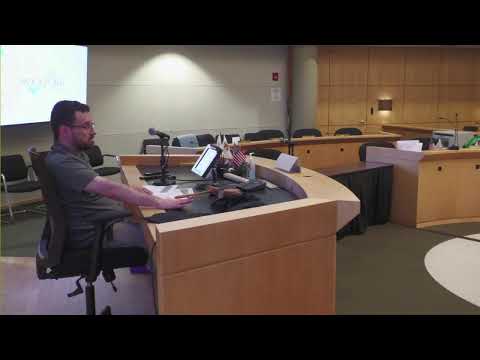
Ron Clure, CEO and director of Zion Development, told the Rockford Community Relations Commission that decades of underbuilding, exclusionary zoning and higher local construction costs have left many residents unable to find affordable, quality housing in the city.
Clure said Rockford’s available for‑sale inventory is unusually low — he cited roughly 1.6 months of supply in recent data — and described a cost gap that makes new construction unprofitable for many housing types. “If it costs us close to $400,000 to build a home … you’re upside down,” he said, explaining that rising material and labor costs and more‑normal mortgage rates combine with zoning rules to push starter‑home production out of the market.
Why it matters: commissioners heard that the city’s zoning and financing environment helps downtown and historic redevelopments (which can tap state and federal historic tax credits), but provides fewer tools for east‑side and neighborhood infill development where subsidies and code changes are needed for financially feasible affordable housing.
Clure reviewed recent and proposed projects his organizations have worked on. He described a 14‑acre Avon master plan that contains a mix of uses — he said the project will include 64 apartments affordable to households earning up to 60% of area median income, six Habitat for Humanity single‑family homes, artist lofts and an arts incubator, and roughly 106 total units in the phased plan. He said the Avon development’s financing depends in part on federal new‑market tax credit rounds and opportunity‑zone tools that remained delayed at the time of his presentation; he estimated the project at about $48 million.
Clure also noted other local projects and approvals the city has recently granted, including the Lafayette adaptive‑reuse project, the University Hill project downtown (more than 300 units), and 515 South Alpine (which he said was reduced from 32 to 24 units during review but passed). He credited historic tax credits and downtown programs for enabling large downtown projects but said those same financing tools are less available on the east side, widening the production gap.
On neighborhood planning, Clure described an AmeriCorps/VISTA‑led parcel survey that geocodes and scores houses for targeted repairs. He said roughly 600 homes had been surveyed and about 40% reported significant roof problems; survey data, he said, helps prioritize rehabilitation dollars and can identify clusters where repairs lift surrounding property values.
Clure urged commissioners to support proposed zoning code updates that he said would allow smaller, starter homes to be rebuilt on existing lots. He also discussed a local YIMBY (Yes‑In‑My‑Backyard) organizing effort he helped launch — a community advocacy network intended to send supporters to city meetings when affordable projects appear on the agenda.
The presentation closed with an offer to share slides and reports with commissioners and an invitation to support upcoming zoning hearings. The commission followed with several clarifying questions about Avon’s unit mix and financing timeline; Clure said federal application delays were the primary hold point for certain tax credit tools.