Get Full Government Meeting Transcripts, Videos, & Alerts Forever!
Get email alerts on the Homelessness Encampment topic
No spam. Unsubscribe anytime.
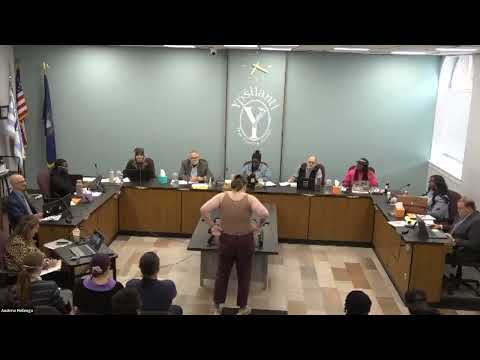
Ypsilanti council delays vote on Bell/Kramer encampment after hours of public comment
Summary
After more than an hour of public testimony, the council tabled resolution 2026‑142 — a plan to clear the Bell/Kramer encampment — and directed the city manager to meet with residents, neighbors and outreach partners to develop a workable, funded plan.
YPSILANTI — The Ypsilanti City Council on Monday postponed a decision on resolution 2026‑142, which would authorize the removal of an encampment near Bell and Kramer streets, after extended public comment and a contentious council debate.
Dozens of people filled council chambers and called in to urge the council to either reject or refrain from clearing the site without clear alternatives. "I don't think there's no such thing as a compassionate eviction," said Amir Hamza, a Ward 1 resident, urging the council to reject the sweep. Speakers opposing the resolution repeatedly warned that clearing the site without guaranteed shelter or permanent housing would simply displace residents and increase health risks.
Supporters of action described chronic safety and sanitation problems in the neighborhood. Several neighbors said they had experienced thefts and threats and asked for immediate measures to protect property and children. "My mother and father worked hard for what they got. They deserve to have peace and comfort," a neighbor told the council, citing vehicle and property thefts from the area.
Council debate turned on whether the city had adequate outreach and shelter capacity to make a sweep humane and lawful. Council members and staff reported outreach activity by the county's PATH team but acknowledged gaps: one case manager told a council member there is a nine‑month wait for a shelter bed in the county. City staff said the PATH team had increased visits to the site and that the city could deploy sharps containers and trash receptacles and raise patrols while staff pursue longer‑term options.
Council Member Fellows moved to table the resolution and directed the city manager to convene meetings with camp residents, Bell/Kramer neighbors, Washington Camp Outreach, LEAF/harm reduction providers and other county partners; to investigate short‑term measures (trash and sharps disposal, targeted sanitation and non‑police interventions); and to review potential funding sources including opioid‑settlement dollars. The motion passed.
City Manager (name on record) told the council staff would pursue the listed actions and return with options. "I can put trash cans and sharps containers at the gated entry, increase patrols and check the legal options for funding and temporary services," the manager said during the meeting.
Why it matters: The Bell/Kramer encampment highlights a familiar policy tension for local governments: residents demand orderly, safe public spaces while homelessness‑advocates and service providers warn that displacing people without shelter or services causes harm. Councilors said they wanted to avoid a rapid sweep that would create greater health and safety risks; advocates said the delay must be matched with concrete, funded steps so residents are not left in place or pushed elsewhere without support.
What happens next: Staff will meet with outreach providers, encampment residents and neighbors and report back with concrete short‑term measures and options for temporary or permanent shelter, and potential funding sources. The council did not set a specific deadline in the motion but instructed staff to return with recommendations.
Voices from the meeting:
• "Camp sweeps are not safe. They're not healthy," a resident said during public comment, summarizing a common theme among opponents.
• "We need to work with partners and chart an accountable path forward," Council Member Fellows told colleagues during the debate.
The council also addressed other business on the agenda, including a separate vote approving sale of city parcels to the AATA for a new east‑side transit center (see related story).