Get Full Government Meeting Transcripts, Videos, & Alerts Forever!
Get email alerts on the Special Education Costs topic
No spam. Unsubscribe anytime.
Board hears that state aid timing and high special-education costs are straining the budget
Summary
Board members discussed state block grants arriving on a delayed schedule, federal funds owed, and outsized special-education placement costs — including one student placement around $70,000 — that leave taxpayers covering the majority of the burden, the board was told.
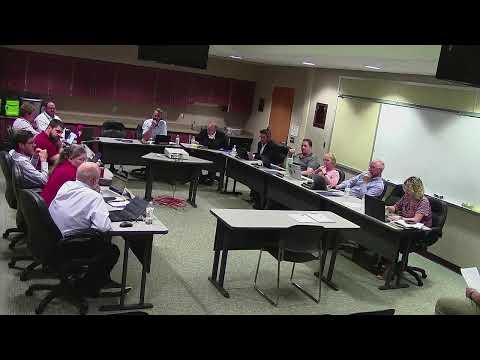
Board members at the Eastern York School District meeting discussed funding timing and rising special-education expenses that are placing pressure on the local budget.
Treasurer Mr. Marks told the board that state funds arrived June 1, which helped explain variances in the current-year cash position, while federal payments have lagged; the board noted a roughly $3 million shortfall in timing compared with last year. Mr. Marks described the state’s approach to basic education funding as having been moved into a block grant, which he said limits growth and creates a “shell game” effect in funding levels.
Members highlighted special-education costs as a major driver of local spending. During discussion, board members noted that a recent outlay of roughly $70,000 for a single student placement had not been fully covered by state aid; Mr. Marks said the state reimbursement amounts to about 25% of special-education spending, leaving approximately 75% of the burden on local taxpayers.
Board members asked administration staff to prepare comparative materials for a scheduled board workshop that will show how Eastern York’s enrollment and special-education spending compare to other county districts. The board also discussed continued efforts to manage cyber-charter tuition and the effects of reassessments on tax bills.
The board discussed legislative outreach as a strategy to address funding inequities; members mentioned planning a legislative breakfast between September and October to press legislators on cyber charter funding and basic education aid formulas.
No new funding commitments were approved at the meeting; board members approved routine financial motions and asked staff for a report on tax-appeal related costs and revenues.