Get Full Government Meeting Transcripts, Videos, & Alerts Forever!
Get email alerts on the Student Discipline topic
No spam. Unsubscribe anytime.
Travis Unified unveils student behavior audit and corrective plan to reduce exclusions and boost supports
Summary
District staff presented audit findings and a corrective plan that clarifies teacher class suspensions, expands structured in‑school suspension staffed by certificated personnel at key campuses, and strengthens tiered social‑emotional and transition supports. The board approved moving forward with training and data monitoring.
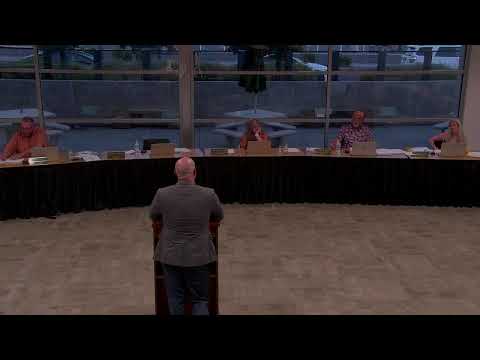
Travis Unified School District staff on Tuesday presented an audit of student behavior practices and a corrective plan aimed at reducing exclusionary discipline and strengthening supports from elementary through high school.
The presentation, led by Allison (district student‑services staff), identified a strong foundation of multi‑tiered systems of support across sites but said inconsistent practices and underused tools were contributing to unnecessary out‑of‑school suspensions. "We're not rebuilding an entire system, but we are going to be refining the system," Allison said, describing corrective actions focused on clarity and consistent implementation.
Key changes in the plan include a district class‑suspension protocol (Ed. Code 48910) to train teachers and administrators on when and how to use teacher‑initiated class suspensions; structured in‑school suspension (Ed. Code 48911) with designated certificated supervisors at Golden West and Vanden to ensure students remain on campus, supervised, and complete academic work; and strengthened Tier 1 social‑emotional learning (Wayfinder at secondary; Everyday Speech at elementary).
Staff said in practice the district has relied heavily on out‑of‑school suspension for safety‑critical incidents (physical altercations, controlled substances), and estimated roughly 95% of current suspensions would remain out of school for safety reasons, but identified a smaller subset of incidents better suited to in‑school alternatives. Allison said the district will provide training in August and roll out standardized protocols and forms so teacher referrals, administrative supervision, parent notification, and documentation are consistent.
Trustees and the public pressed staff on resourcing. Board members asked for more clarity on where suspended students would be supervised and for guarantees that designated staff would be available rather than pulled to other duties. Nick, the assistant superintendent, confirmed the district is adding counselors and teacher‑on‑special‑assignment roles in targeted schools and is increasing noon‑duty and campus monitor coverage at larger elementary sites to help implementation.
Multiple trustees emphasized parent involvement and early intervention. A trustee urged that the district bring parents into Student Success Team (SST) processes earlier and embed a parent‑engagement component across tiered supports. Public commenters who work in district schools said the wellness centers and student support specialists are vital and warned that staff shortages would make the plan difficult unless the district commits to hiring and scheduling staff to operate new in‑school spaces.
Allison said the corrective plan also targets transitions — better onboarding for fifth→sixth and eighth→ninth grade — and a clearer set of Tier 2 small‑group and one‑on‑one interventions using student support specialists. She said the district will monitor suspension trends, referral data, and student survey feedback and report results to the board as the first year of implementation proceeds.
The board did not take a formal, binding vote on the plan as policy; trustees signaled support for implementation and asked staff to return with training schedules and early implementation data.