Get Full Government Meeting Transcripts, Videos, & Alerts Forever!
Get email alerts on the Recreation topic
No spam. Unsubscribe anytime.
Richmond commission debates recreation policy: dogs, zoning and multi‑use trails
Summary
Commissioners reviewed a shortened recreation draft and debated whether rules about dogs, trail slope standards and permitted uses should live in the management plan or in a separate, nimble rules document; they also discussed deferring detailed trail layout until after adoption of the plan.
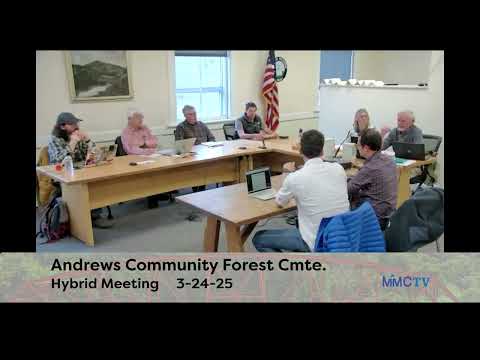
Richmond Conservation Commission members spent the bulk of the meeting debating the recreation section of the draft town‑forest management plan, weighing competing aims for multi‑use trails, dog rules, and how prescriptive the plan should be about trail construction standards.
Brad presented a condensed rewrite of the recreation section that cuts the original 13 pages to roughly six; commissioners said the shortened draft helps focus on objectives and actions but cautioned that some items—dogs policy and specifics about permitted uses—might be omitted and should be checked against previously agreed recommendations from stewardship subcommittees.
On dogs and permitted uses: commissioners noted that earlier working groups had discussed dog policies (leash vs. voice control) and that the town ordinance currently requires leashes and voice control. One participant said Brad deliberately left detailed dog policy out of the shortened draft and suggested that some operational rules might be better managed on the town website or a separate rules document that could be updated more easily than the formal management plan.
On standards and costs: the commission discussed trail slope thresholds and erosion control language. A member said specifying that a licensed engineer be hired for slopes between 20% and 35% could unintentionally raise costs, whereas others recommended referencing locally accepted erosion and sediment‑control qualifications rather than a specific engineer licensing requirement. Commissioners repeatedly returned to the practical point that the management plan can refer to town zoning guidance to avoid setting a higher standard that the select board might not accept.
On trail types and parking capacity: members debated whether to emphasize multi‑use trails (hikers, runners, mountain bikers, skiers) rather than mountain‑bike‑specific trails, noting limited parking at some trailheads and that community maintenance groups often build and sustain high‑quality trails. Several commissioners supported keeping mountain biking as a permitted use but expressed caution about overbuilding trail density where parking and access are limited.
Next steps: the commission asked members to compare the long and short recreation drafts as homework and to identify items from the longer draft that should be carried into the concise version. The commission plans to continue this discussion at two upcoming meetings (May 19 and May 28 were cited) before finalizing what will go to the select board.