Get Full Government Meeting Transcripts, Videos, & Alerts Forever!
Get email alerts on the Trail Plan topic
No spam. Unsubscribe anytime.
Andrews Community Forest committee rejects motion to propose single ridge trail; Select Board expects draft management plan by June
Summary
Richmond’s Andrews Community Forest committee debated a proposal to include a single multi‑use ridge trail in the town forest management plan but voted it down after airing concerns about timing, ecological impacts, landowner access and municipal liability. The Select Board has asked for a draft management plan by June.
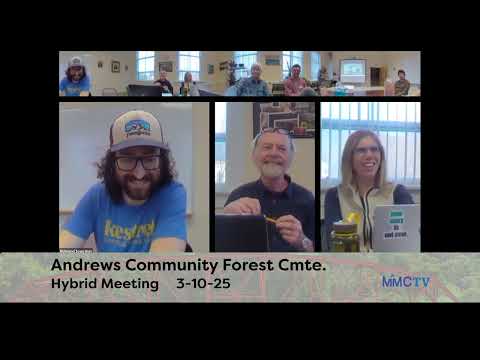
At a meeting of Richmond’s Andrews Community Forest committee, members voted down a motion to propose to the Select Board a trail plan that would add a single multi‑use trail to the ridge and connect to Jericho Trails.
Chase, a committee member who introduced the motion, said the committee should “propose to the Select Board a trail plan within the management plan to build one multi‑use trail to the top of the ridge connecting to Jericho Trails and to maintain and improve existing lower trails,” adding that any work would follow easements and current best practices.
The motion prompted a lengthy debate. Opponents said the committee lacks agreed parameters in the management plan to guide trail siting and construction, warned of potential ecological harm on steep slopes and questioned whether adjoining landowners would support mountain‑bike access. Brad Elliot argued the group needed clearer selection criteria and assurances from landowners before committing to a destination. Several members said the proposal felt premature because the Select Board had asked for a vetted draft management plan — not an unresolved set of trail proposals — by June.
Julian, another committee member, countered that the committee already has detailed, site‑specific studies (including a field naturalist report and a trail plan) and urged members to use the available information and vote to advance the work. “We have a ton of really good expert information…we can make decisions and we have to vote,” Julian said.
Liability concerns surfaced repeatedly. One member said a single multi‑use trail combining pedestrians and bikes on steep terrain would present unacceptable liability for the town and risk being rejected by the Select Board. Others recommended adding language to the management plan that would require ongoing monitoring and the ability to modify or close trails if impacts were detected.
After discussion the chair read the final wording and called a roll‑call vote. Recorded votes in the meeting: Brad Elliot — no; Chase — yes; James F — yes; Julian — yes; Sam — no; Stokes — no; Melissa — no. With three votes in favor and four opposed, the motion failed.
Committee members also reviewed the Select Board report from the Feb. 18 meeting: the Board expects a revised draft management plan to be presented by June 2. The group debated whether the trails plan should be integrated into that draft or developed in parallel, and several members urged the committee to resolve “sticky” issues ahead of any external review.
On next steps, members discussed hiring a professional editor or consultant to consolidate draft material and resolve remaining disagreements; an estimate cited during the meeting ranged from roughly $5,000 to $10,000 for 50–100 hours of work. Several members said the contractor should be engaged only after the committee resolves its core policy points so the external consultant can act as an editor rather than be handed unresolved controversies.
The committee set follow‑up meetings to focus on editing the management plan and agreed to return with further work toward the June deadline. The meeting adjourned with scheduling for upcoming focused editing sessions.