Get Full Government Meeting Transcripts, Videos, & Alerts Forever!
Get email alerts on the Tax Policy topic
No spam. Unsubscribe anytime.
Heated public comment as Ulster County hears proposal for 'Fair Taxes' home‑rule surcharge
Summary
Dozens of residents spoke for and against the proposed Olster County Fair Taxes Act during a lengthy public‑comment period June 16; supporters say a small surcharge on high taxable incomes could generate $10–20 million to blunt federal cuts to Medicaid and SNAP, while opponents warned it would burden small businesses and prompt out‑migration.
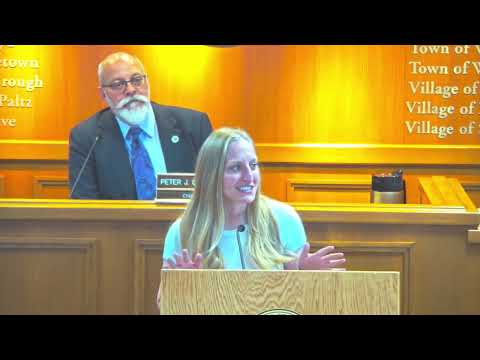
Dozens of residents took the microphone June 16 at the Ulster County Legislature to debate a proposed local surcharge on high taxable incomes, the Fair Taxes Act, a home‑rule request sponsors say could offset federal cuts to Medicaid and other safety‑net programs.
Supporters described the proposal as a narrowly targeted, progressive measure that would affect a small share of households and protect social programs. "Estimates suggest that through this act, county could generate between 10 and 20 million annually," said Neil Blackader, an Indivisible organizer who urged legislators to act. Martin Lupowitz (speaker identified in the record as Martin Lupowitz) and others described the thresholds discussed in testimony — roughly $200,000 of taxable income for individuals and $400,000 for joint filers — and offered concrete examples of modest annual costs for households above those limits.
Opponents warned the surcharge would hit small business owners and professionals and could accelerate people moving out of the state. "I paid $51,900 in federal taxes and I paid $18,945 in pay taxes," said Frank Lancelotti, who said he objects to a county surcharge and raised concerns about taxes driving residents away. Several small‑business owners and self‑employed residents described how business income flows through to personal tax returns and argued the proposal could harm firms that reinvest profits locally.
Other speakers tied the local proposal to broader fiscal trends. Health‑care and community organizers warned that federal reductions to Medicaid and SNAP will shift costs to local governments and could force cuts in county services or increases in regressive property or sales taxes if alternative revenue is not found. "If we do not stand up now, we will continue to face this burden," said Jesus Lopez, describing rising local costs for rent and groceries.
Testimony also included procedural objections: some speakers criticized a companion proposal (resolution 331) that would change petition‑to‑discharge thresholds, arguing it would make it harder for the minority caucus to bring measures to the floor. "Changing the rules based on who holds power does not strengthen democracy," said Jackie Oringer, who urged rejection of both 295 and 331.
The Legislature did not vote on the Fair Taxes Act that night; public testimony was part of the record while the measures remain at first reading. Sponsors have said the measure would require a home‑rule request to the state and that a public hearing and further committee work will precede any final vote.