Get Full Government Meeting Transcripts, Videos, & Alerts Forever!
Get email alerts on the Budget Adoption topic
No spam. Unsubscribe anytime.
Council adopts $36.99 million FY2026‑27 budget after extended debate over COLA and reserves
Summary
After a prolonged discussion about cost‑of‑living adjustments, enterprise fund declines and impact‑fee timing, the council adopted the proposed $36,991,021 budget for fiscal year 2026–27; one member recorded opposition and another declined to approve without full line‑item visibility.
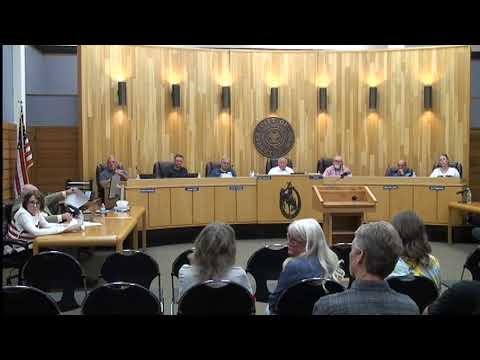
Evanston’s city council adopted a $36,991,021 budget for the fiscal year ending June 30, 2027, after extended debate about wage increases, enterprise fund health and the use of reserves.
Mr. Harris read Resolution 26‑23 introducing the budget; council members then discussed a proposed 3.4% cost‑of‑living adjustment for full‑time employees and concerns about dipping into reserves. One council member urged caution, saying the city should "pump the brakes" and carefully review enterprise fund trends and revenue forecasts before approving recurring increases.
Mayor Williams and other supporters argued city employees are the municipality’s most important asset and defended the budget as fiscally responsible. "The greatest asset that the city has is our people," the mayor said, stressing both support for employees and attention to long‑term obligations.
Council members also examined projected impact fees tied to major local projects (including a recurring monthly TerraPower payment) and warned that some impact fee revenues are contingent on construction start dates; staff noted that several fee streams are uncertain until construction begins and that the budget only profiles fees when timing is clear.
After deliberation and several requests for further detail from staff, the council adopted Resolution 26‑23 with at least one recorded opposition and one member stating they could not, in good conscience, approve the appropriation without full visibility into every line item. Department heads and staff pledged follow‑up briefings on enterprise fund balances and timing of impact‑fee receipts.
Next steps: staff will continue to monitor revenue receipts, report on enterprise fund performance and bring any future needed amendments or expenditure approvals back to council.