Get Full Government Meeting Transcripts, Videos, & Alerts Forever!
Get email alerts on the Public Safety Tax Ballot topic
No spam. Unsubscribe anytime.
Council agrees to place 6‑penny emergency‑services sales tax question on November ballot
Summary
After hearing from Will County fire and ambulance officials about aging equipment and falling mineral revenues, the council voted to forward a resolution placing a temporary local sales/excise tax question for emergency services on the November 3 ballot; supporters cite equipment lead times and EMS funding shortfalls.
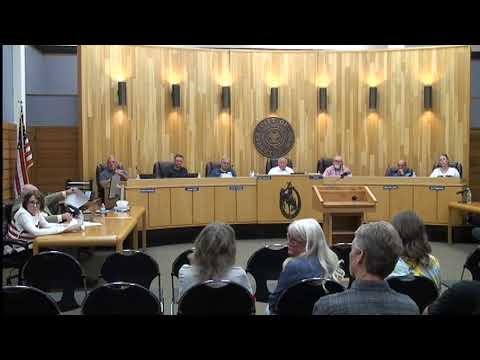
Evanston city council voted to forward a resolution that will place a local sales/excise tax question on the November general election ballot to raise emergency‑services funding countywide.
Eric Quinney, chief administrative officer for Will County fire and ambulance, asked council members to place the question before voters to help the joint powers board replace fire trucks, update a radio system and support ambulance operations. Quinney described a roughly $13 million plan commonly referred to in the meeting as the '6‑penny' tax and said the measure requires municipal concurrence to appear on the ballot.
Quinney described long delivery lead times for major apparatus and argued urgency: he told the council that a fully equipped ambulance now costs about $450,000 and that ambulance collections recover only about 52% of billed amounts, leaving services short of full cost recovery. He also said mineral royalty revenue has fallen significantly and that the tax would be temporary (described in the presentation as a short collection period to reach the $13 million target).
Council members debated the timing and public appetite for another tax. Some said they opposed new taxes in principle but favored letting voters decide. Others warned that multiple tax questions on the ballot could reduce passage chances. Several members urged Quinney and the joint powers board to make a clear public case about life‑safety needs, noting long equipment lead times and service gaps in other counties where ambulance services have closed.
After discussion, the council voted to send the question to the ballot. Several council members emphasized the vote merely places the question before voters; it does not itself impose the tax. Quinney and other officials were encouraged to continue public outreach so voters understand how the funds would be spent if approved.
Next steps: the ballot question will appear on the November 3, 2026 general election ballot if other jurisdictions complete the same municipal concurrence process; proponents plan an outreach effort to explain the equipment needs and timeline to voters.