Get Full Government Meeting Transcripts, Videos, & Alerts Forever!
Get email alerts on the Public Health topic
No spam. Unsubscribe anytime.
County expands opioid-response programs and recovery court support; board approves settlement‑fund strategy with technical amendment
Summary
Currituck commissioners approved a resolution directing opioid‑settlement funds toward prevention, treatment and re‑entry strategies. Staff and partners described Narcan distribution, a new detention‑center reentry program and the county’s fledgling recovery court, and the board approved the proposed spending with a technical edit to Strategy 1.
The Currituck County Board of Commissioners on June 15 approved a resolution directing opioid‑settlement funds toward local prevention, treatment and re‑entry initiatives after a presentation by opioid program coordinator Angela Lotman.
Lotman summarized program accomplishments over the past year, including distribution of 340 leave‑behind Narcan kits into the community and the launch of a detention‑center recovery program that connects individuals to treatment prior to release; staff reported two known lifesaving reversals associated with leave‑behind kits. Lotman recommended formally adding re‑entry as a program strategy and described plans to hire or contract a peer‑recovery specialist pending procurement and Medicaid‑reimbursement considerations.
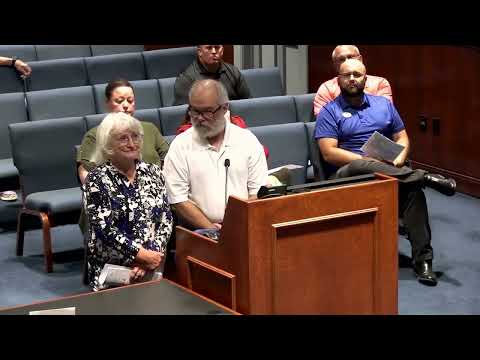
Judge Robert Trevette addressed the board about the county’s adult treatment (recovery) court, explaining the model and urging continued local support for treatment funding and program staff; he described recovery court as an intensive alternative to incarceration for eligible nonviolent defendants with substance‑use and co‑occurring mental‑health needs and cited data and published research supporting reduced recidivism under the model.
The county attorney noted a recommendation from the opioid settlements technical‑assistance team to omit a specific line in Strategy 1 (preventive substance‑use education in schools) because it did not align with the settlement MOA exhibit. The board approved the expenditure resolution with that amendment.
The board asked staff to refine procurement approaches for a peer‑recovery position and to continue coordination with partners such as Trillium Health Resources and local treatment providers. Staff will report back on contract and hiring options and program outcomes.