Get Full Government Meeting Transcripts, Videos, & Alerts Forever!
Get email alerts on the Drones topic
No spam. Unsubscribe anytime.
Summit council adopts drone rules for city property after police push for local enforcement
Summary
Council advanced and voted on a local ordinance regulating drone launches, landings and disruptive flights on city property; police said local authority is needed to respond in real time to unsafe operations and interference with emergency response, while experts warned of FAA preemption and urged careful drafting.
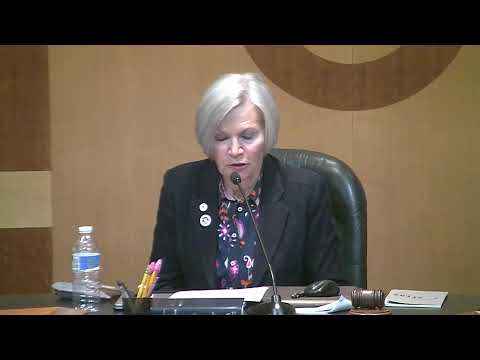
Summit Common Council considered and adopted a municipal ordinance that regulates unmanned aircraft operations on city-owned property and establishes local penalties for launches and landings on municipal property, interference with emergency operations, and repeated nuisance flights.
Pat Hurley, speaking from FAA-focused experience, urged restraint and warned against regulating FAA-controlled national airspace. "The city of Summit cannot regulate aviation safety or operations in the national airspace system," Hurley said, noting certified Part 107 operators can lawfully fly over people in many circumstances.
Police Chief Peters told council that while the FAA regulates national airspace, local police lack on-the-spot enforcement authority and often must gather information and refer incidents to the FAA. "Having the ability to enforce certain violations via ordinance will undoubtedly reduce the time it takes for the FAA to receive, review, and address any reported incidents," he said, listing launch/landing bans on city property, restrictions on flights that interfere with police, fire or EMS, and penalties for repeated low-altitude hovering over gatherings.
Councilmembers discussed narrowing the ordinance's reach to avoid unintended limits on recreational hobby flying in large parks; several said they were open to removing parks from the prohibition or clarifying exemptions for safe recreational use and for FAA-compliant operators. Chief Peters indicated the department would accept revisions but said the ordinance fills a local enforcement gap for takeoffs/landings on municipal property and for flights that disrupt public safety operations.
The ordinance passed on final consideration; councilmembers said they expect to refine language to balance FAA rules, recreational use, and public-safety needs.
Next steps: staff will circulate draft clarifications to the ordinance, including possible exemptions for FAA-licensed operators and clearer definitions of city property uses and permitted recreational activity.