Get Full Government Meeting Transcripts, Videos, & Alerts Forever!
Get email alerts on the Local History topic
No spam. Unsubscribe anytime.
Residents recall multigenerational ties to Garner land as highways and sales changed ownership
Summary
In recorded public comments, long‑time residents described families who farmed and lived in Garner for generations, citing tobacco and corn farms, school priorities, and later property sales tied to I‑40 expansion and a sale to Modern Marietta (speaker estimated about 2010).
Carla Haywood Rogers and other residents used recorded public comments to describe decades of family life in Garner, saying the land was ‘‘home’’ rather than simply property and tracing multigenerational connections to specific streets, farms and institutions in the town.
"We looked at it as home," Rogers said, describing Sundays, family gatherings and the way children grew up walking to church, visiting Stevenson's store and using the local library. Rogers identified family members by name and pointed to family photos to locate homes on Main Street and Pervis Street.
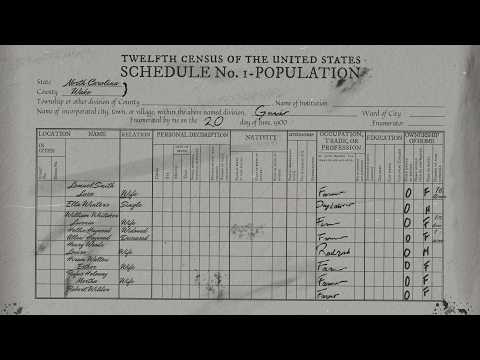
Charles D. Walton, who introduced himself as a grandson of Hyram and Lucy Walton, said his family acquired land after the Civil War and owned property through the mid‑1980s. Walton said the parcel was later affected by the expansion of I‑40 and that parts of the family property were sold to Modern Marietta; he told listeners he believed the sale happened "around 2010," and noted uncertainty about the exact year.
Other speakers described farming life in detail: the Crowder family reportedly owned about 55 acres near a church, raised 14 children and cultivated corn, tobacco, potatoes and cotton. They recounted early mornings for tobacco work, tending gardens that supplied most household food, and household duties such as cooking for fieldworkers.
Several speakers emphasized education as a family priority despite limited formal schooling in earlier generations. Walton said his grandfather, who had little formal education himself, insisted that grandchildren stay in school and aimed for at least B grades; Walton later attended Shaw University.
Family members also described different ownership models across relatives: some grandparents owned land outright while other kin were sharecroppers, and speakers said owning land gave families choices and financial resilience compared with sharecropping. One speaker described Robert Wilder's holdings as "100 plus acres" on Ran Road and said that land was later divided among children and grandchildren.
Speakers framed these recollections as community memory: places, churches and family networks defined Garner's history for them more than records or deeds. The comments noted the effects of road expansion and later sales but did not record a formal petition or vote; the speakers primarily offered personal testimony and family history.
Next steps or formal actions were not recorded in the transcript. The comments in the record serve as firsthand accounts of land use, family economy and community continuity in Garner.