Get Full Government Meeting Transcripts, Videos, & Alerts Forever!
Get email alerts on the Juvenile Justice topic
No spam. Unsubscribe anytime.
County and tribal juvenile services warn of high juvenile intoxication, call for cross‑agency action
Summary
Fremont County juvenile services and tribal child-welfare officials reported rising juvenile intoxication levels (average juvenile BAC rose from .123 in 2024 to .148 in 2025), widespread access to marijuana and alcohol through adults and out-of-state dispensaries, and urged active cross‑agency collaboration and culturally tailored treatment.
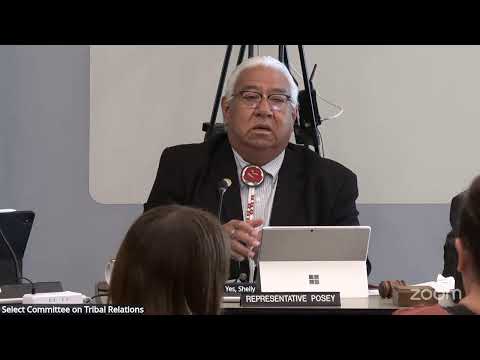
Juvenile justice and tribal child‑welfare officials told the Select Committee on Tribal Relations on June 15 that minors’ access to alcohol and marijuana is widespread in Fremont County and on the Wind River Reservation, and that many cases involve adults supplying youth.
Hattie Calvert, Fremont County assistant director for juvenile justice services, said the county’s day‑reporting and diversion caseload shows a sharp problem with alcohol and marijuana. “In 2025 we had an average blood alcohol content of .148 on juvenile citations,” Calvert said, citing an increase from .123 in 2024. She told the committee that the highest juvenile readings approached or exceeded .32 and that alcohol remains the most frequent citation category.
Panelists said marijuana is commonly sourced from dispensaries in neighboring jurisdictions and described a normalization of adult behavior that results in relatives or household adults providing substances to children. Tribal liaisons and tribal‑court representatives urged culturally informed substance‑use interventions and said prosecution for adults who furnish minors is underused.
Chief Judge Mary Musgrove (Tribal Court) and tribal DFS directors described coordinated efforts to declare a juvenile crisis response and to build culturally grounded treatment that combines behavioral health, family services and traditional practices. Panelists called for active, sustained interagency collaboration — not just periodic meetings — to create wraparound services, rapid crisis placement and parenting supports.
Why it matters: High juvenile intoxication levels and gaps in placement and treatment create acute safety risks and long‑term harms. Panelists tied truancy, substance use and family instability together and said coordinated state‑tribal responses are required.
Next steps: Committee members asked agencies to consider statewide training, better cross‑jurisdictional notification when children move between districts, and stronger enforcement or diversion strategies for adults who provide substances to minors.