Get Full Government Meeting Transcripts, Videos, & Alerts Forever!
Get email alerts on the K12 Literacy topic
No spam. Unsubscribe anytime.
Fremont County superintendents urge sustained funding, caution on rushed literacy rules
Summary
Four Fremont County superintendents told the committee literacy gains are emerging but warned emergency rules for new statewide literacy requirements are rushed and risk checkbox compliance rather than real improvement; they asked for sustained CLSD grant supports and clarified that language programs affect Hathaway eligibility.
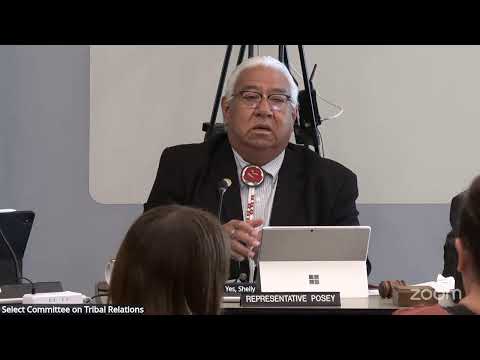
Superintendents from Fremont County school districts told the Select Committee on Tribal Relations that literacy supports — including the CLSD grant and recalibration funding — are giving districts tools to improve foundational reading, but they urged caution about rushed emergency rulemaking and flagged attendance and mental‑health gaps as continuing obstacles.
Blake Bertram (Fremont 14) said the CLSD grant and recalibration allowed teacher-pay increases and targeted birth‑to‑five efforts to improve word recognition and language comprehension. “A lot of our kids come into our preschool or kindergarten programs with thousands of less words than their peers from off reservation,” Bertram said, arguing for early‑childhood investments.
Superintendents also pushed back on the pace of rule rollout for the K‑12 literacy law. Multiple presenters recounted inconsistencies in draft emergency rules and expressed worry that poorly written rules would produce box‑checking compliance instead of sustained instructional improvement.
District leaders raised a separate equity issue: tribal-language classes count toward Hathaway world‑language requirements only if taken as successive years. Roy Brown (Fremont 25) and others said that has unintentionally excluded some students from the highest Hathaway tier when districts cannot offer a second year of indigenous language instruction.
Why it matters: Districts said grants and programmatic supports are making a difference, but cautioned that implementation details — especially emergency rules and professional‑development requirements — will determine whether the law improves outcomes or imposes compliance burdens.
Next steps: Superintendents asked for continued collaboration with the Department of Education as rules are finalized, clear vendor and curriculum guidance, and legislative attention to Hathaway language sequencing.