Get Full Government Meeting Transcripts, Videos, & Alerts Forever!
Get email alerts on the Electric Franchise Fee topic
No spam. Unsubscribe anytime.
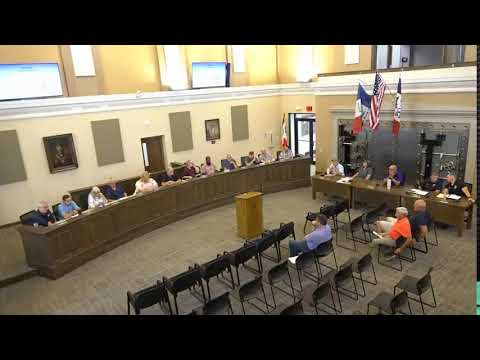
Keokuk council approves higher electric franchise fee despite business objections
Summary
The Keokuk City Council approved the second reading of an ordinance increasing the city electric franchise fee (from 3% to 5% on paper) after hearing business concerns that the change will raise costs for large local users; the measure passed on roll call and the council did not move to waive a third reading.
The Keokuk City Council voted to approve the second reading of an ordinance that will increase the city's electric franchise fee; council members approved the motion on a roll call vote following public comment from a local manufacturer.
Mike Selk, energy manager for Roquette, told the council the change would be "a significant increase" for the company because the business currently receives a discount and effectively pays about 1.5% under the existing 3% franchise fee. "If the franchise fee goes from 3% to 5% ... this is a significant impact for Roquette," Selk said, adding that the company's internal rebate program ends at the end of July and that the lost rebate funds are used for energy-efficiency projects.
City staff presented the ordinance as an amendment to the city's existing electric franchise provisions. After discussion, the council took a roll call (Marshall, Walker, Mahoney, Matlick, Dade, Andrews, Van Berkum, Bryant, Greenwald) and the motion passed on the second reading. Council members asked about waiver of a third reading but took no motion to waive; the council moved on to the next agenda item without waiving the third reading.
Why it matters: franchise fees are a recurring revenue source for the city and a change affects large municipal customers and retailers that buy significant grid power. Local businesses told the council the increase would raise operating costs and could reduce funds available for internal energy projects. The council approved the measure on second reading; the transcript does not show a final adoption date or whether the third reading will be scheduled.
What's next: the council discussed but did not enact a waiver of the third reading at the meeting, so the ordinance remains on a multi-reading path under the council's rules. The city manager and city staff will carry the measure forward per council direction.