Get Full Government Meeting Transcripts, Videos, & Alerts Forever!
Get email alerts on the Wireless Devices Policy topic
No spam. Unsubscribe anytime.
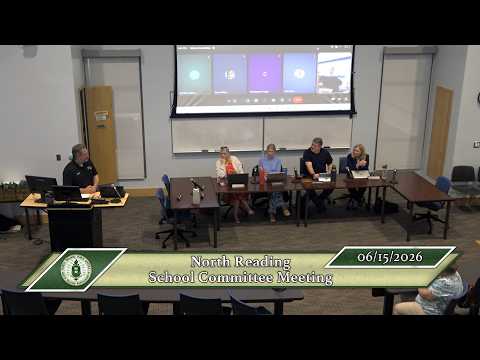
North Reading panel approves first reading of draft cell‑phone policy amid enforcement, cost debates
Summary
The school committee approved a first reading of a draft wireless‑device policy aimed at reducing in‑school screen time, backing possible pilots of phone‑management apps and discussing exemptions for medical needs and enforcement practicalities.
The North Reading School Committee on Monday approved a first reading of a draft policy intended to curb students’ use of personal wireless devices during the school day, setting the stage for a fall pilot and further public discussion.
Committee members described the proposal as an effort to reduce classroom distractions and address mental‑health concerns tied to constant device use. The draft would discourage students from using phones during instructional times and outlines staff expectations to “model appropriate behaviors,” while also carving out accommodations for medical and disability needs.
District officials said they have researched both low‑tech and software options to limit device use. One vendor model discussed would require students to enroll a device in a management app that restricts distracting apps during school hours; staff said pilot pricing ranges roughly from $5 to $15 per student, depending on product features. Low‑tech alternatives — such as teacher‑managed caddies for collecting phones — were also discussed.
Several school‑committee members pressed administrators on enforcement: how staff would implement rules consistently, how the district would handle students who circumvent restrictions, and how to ensure parents can reach children in emergencies. Administrators responded that K–8 routines already limit phone use and that the high school discussion centers on lunch and free periods; they said the district would design progressive disciplinary steps and consider pilot testing at one or two schools if grant funding is available.
The board approved a first reading of the wireless‑communication devices policy unanimously (4–0). Committee members said the policy would be paired with community education sessions for families and additional guidance on special‑education accommodations.
Next steps include exploring grant opportunities to fund a pilot and developing parent education events tied to middle‑school and high‑school transition nights. The committee did not set a firm implementation date and emphasized further public input before adopting a final policy.