Get Full Government Meeting Transcripts, Videos, & Alerts Forever!
Get email alerts on the Transportation topic
No spam. Unsubscribe anytime.
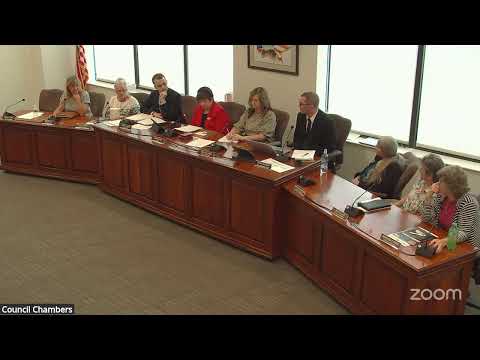
South Lebanon holds first reading of e-scooter rules; council emphasizes safety and education
Summary
Council took up Ordinance 2026-11 to regulate electric scooters, proposing age and helmet rules, adherence to traffic laws and potential parent liability; Sergeant Adams and councilors discussed education (pamphlets/flyers) and a probationary enforcement period before citations.
Council held the first reading of Ordinance 2026-11, which would establish local rules for the traffic and operation of electric scooters. Proposed provisions discussed include a minimum operator age (13 with helmet), prohibition on two-up riding, adherence to traffic law, and a clause that could hold parents accountable if they knowingly permit a child to break the ordinance.
Sergeant Adams framed the proposal as focused on safety: "these people operating these scooters have to follow the law...I think this is very much rooted in public safety, especially young children." He said the proposed ordinance draws from other jurisdictions and that enforcement would aim to educate first. Adams and councilors discussed creating a simple, shareable pamphlet or flyer to explain rules and suggested coordination with National Night Out or other outreach events to publicize the ordinance.
Council members raised questions about how the rules interact with existing state law for mopeds and e-bikes and whether a permit or formal testing would be required; city staff said state law governs some aspects and that city ordinances can be more stringent in other respects. Several members recommended a probationary or educational period so citations would be rare unless violations posed serious danger.
The first reading was entered into the record; council directed staff to develop outreach materials and consider a public education approach before full enforcement.
Next steps: staff to prepare educational materials and return for subsequent readings and final adoption.