Get Full Government Meeting Transcripts, Videos, & Alerts Forever!
Get email alerts on the Transportation topic
No spam. Unsubscribe anytime.
Gadsden leaders defend downtown traffic plan as flashing lights precede four‑way stops
Summary
Council members and the mayor defended a multi‑year downtown traffic and streetscape plan, saying traffic engineers modeled that converting some signals to four‑way stops will improve flow and pedestrian safety; temporary flashing red signals will precede the change.
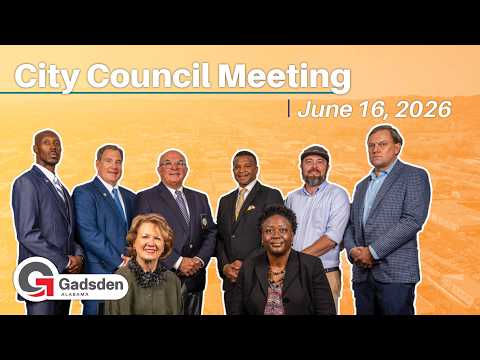
Gadsden — Several members of the Gadsden City Council and Mayor Ford used the June 16 meeting to defend a multi‑year downtown traffic and streetscape project and to urge residents to allow the process to play out as temporary traffic changes roll out.
Councilwoman Manautu told the council the traffic signals between Broad Street and Chestnut will flash red for 30 days to prepare motorists for the conversion to four‑way stops. She urged drivers to learn four‑way stop rules and said the department’s press releases explain the change. Councilman Robinson said his recent experience driving downtown showed traffic moved more smoothly under the flashing‑red pattern, and he proposed widening the conversion to other intersections in downtown.
Mayor Ford and other council members said the effort is part of the Grow Gadsden plan and was developed over more than two years with Goodwyn Mills Cawood traffic engineers. "We as a body agreed that this is what we need to do to make downtown Gadsden safer," a council member said during remarks defending the plan; the mayor added that the engineers "measured the traffic on Broad Street 24 hours a day" and modeled conditions to predict outcomes.
Why it matters: The changes affect everyday driving patterns, downtown businesses and pedestrian safety. Council members framed the project as data‑driven and intended to improve walkability and economic activity. At the meeting they asked residents to bear short‑term construction impacts — mud, dust and congestion — while work continues.
What council recorded: Council members repeatedly asked the public to withhold judgment until construction is complete and pointed to examples of other cities (Greenville, S.C.) the administration says have benefited from similar conversions. No formal vote on traffic changes was held at this meeting; the remarks were informational and part of the council’s regular commentary.
Next steps: Temporary flashing signals will precede the permanent four‑way stop conversions; the city will continue construction and public outreach as the project progresses.