Get Full Government Meeting Transcripts, Videos, & Alerts Forever!
Get email alerts on the Economic Development District topic
No spam. Unsubscribe anytime.
New Iberia council advances creation of Lagniappe economic district amid public concern over 1% sales tax
Summary
The City Council opened and debated an ordinance to create the Lagniappe Economic/Development District — a geographically limited tool that could add a 1% sales tax in the Line Avenue shopping area to pay developer-funded infrastructure. Residents warned the tax would raise costs for low-income shoppers; city officials said a cooperative endeavor agreement would set spending controls and a sunset.
The City of New Iberia held a public hearing and extended debate on an ordinance to create the Lagniappe Economic/Development District, a locally targeted economic development tool that supporters said would help bring national retailers and jobs to the Line Avenue shopping area while opponents warned a 1% sales-tax surcharge would hurt low-income residents.
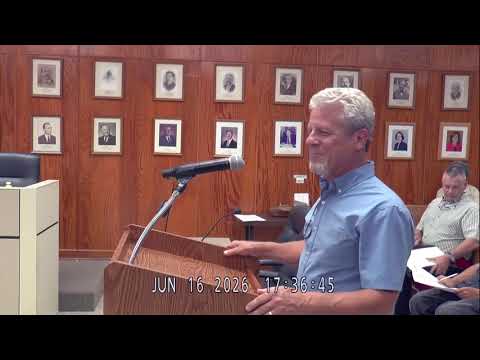
Public commenter Ryan Gautreau said the 1% levy proposed for the district would increase everyday costs for residents on limited incomes, giving the example that a $200 purchase could carry about $22.50 in added tax burden. He and other speakers urged the council to require an election or tie any vote to a larger scheduled statewide or national election so voters could decide directly whether to impose the tax.
Mayor (speaking as lead in the discussion) defended the tool as a standard, time-limited mechanism used across the region to attract retailers and retain local sales tax dollars. He told the council that the district can fund a range of infrastructure beyond a single parking-lot example mentioned in local reporting — including sidewalks, lighting, signage and other site improvements — and that comparable incentives had helped bring Rouses, Hobby Lobby and other retailers to nearby communities.
Andrew Jarreau, attorney with Foley & Judell, told the council the ordinance at this meeting would only create the district; a separate council action would be required to levy any tax. He said the city would negotiate a cooperative endeavor agreement (CEA) with the developer that can require itemized receipts, define which infrastructure expenditures are eligible, and set the sunset date when tax collections would end. Jarreau said those contractual terms are where monitoring, reporting and the sunset are spelled out.
Council members asked how the city would enforce long-term maintenance or compel repairs once the initial construction is paid from tax proceeds. Officials answered that the CEA can include quality standards, inspection requirements and continuing contractual obligations even after the tax sunsets, although the council acknowledged limits on regulating private property maintenance absent clear public-safety violations.
Supporters on the council emphasized the modest size of the surcharge — a single cent on the dollar — and framed the measure as a way to recapture retail spending that currently leaves Iberia Parish for Lafayette and other nearby commercial centers. They pointed to an economic study cited by staff that estimated substantial retail leakage from the parish and argued that local investment could draw shoppers and jobs back to New Iberia.
The council opened the public hearing, heard several speakers both for and against the proposal, and discussed the item at length. Staff and the city attorney said key accountability mechanisms will appear in the cooperative endeavor agreement and in later, separate council votes to levy any tax. The record shows the ordinance to create the district was discussed and advanced for further action; any decision to impose a sales-tax surcharge would require additional council proceedings and contract review.
Next steps: the council recognized the ordinance and will return to the topic with the specific cooperative endeavor agreement and any proposal to levy tax proceeds for formal council action. The transcript shows the council requested documentation and monitoring provisions be included in subsequent agreement drafts.